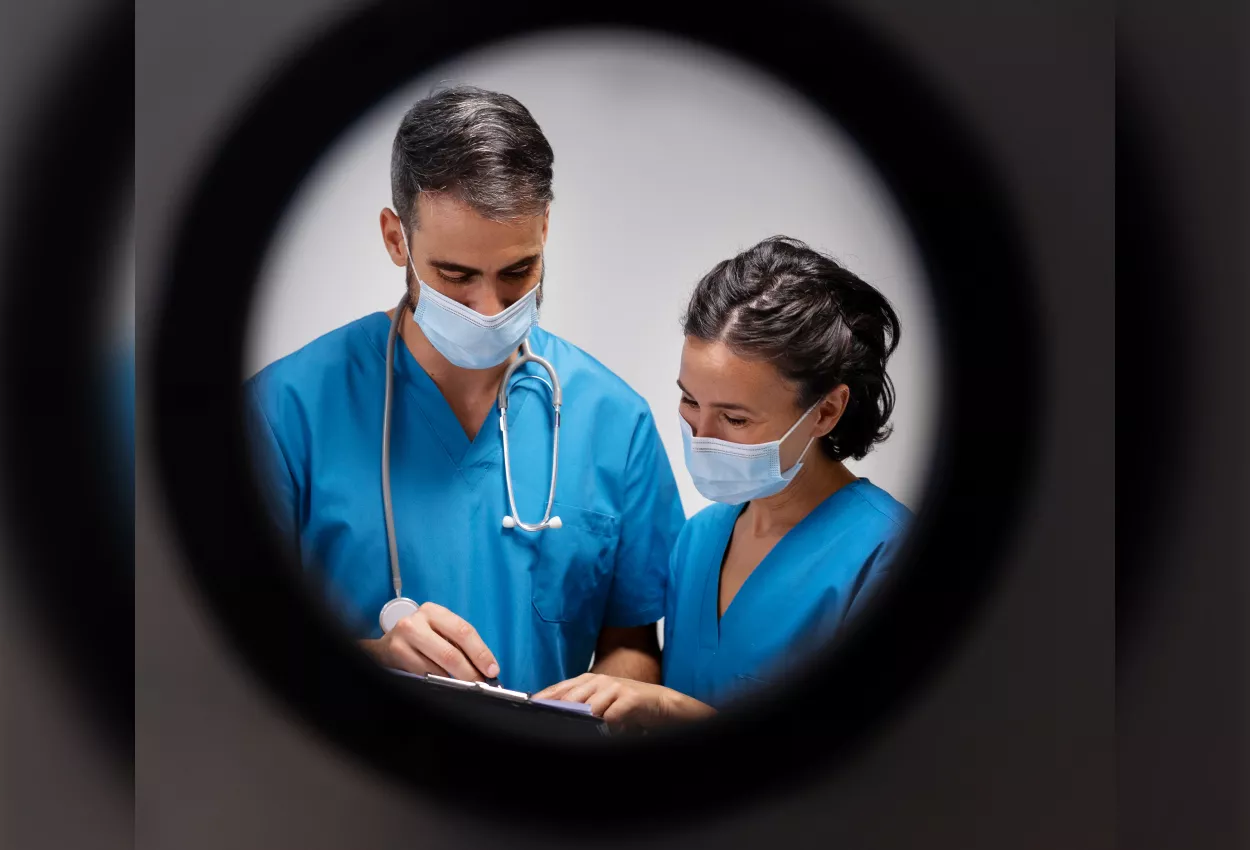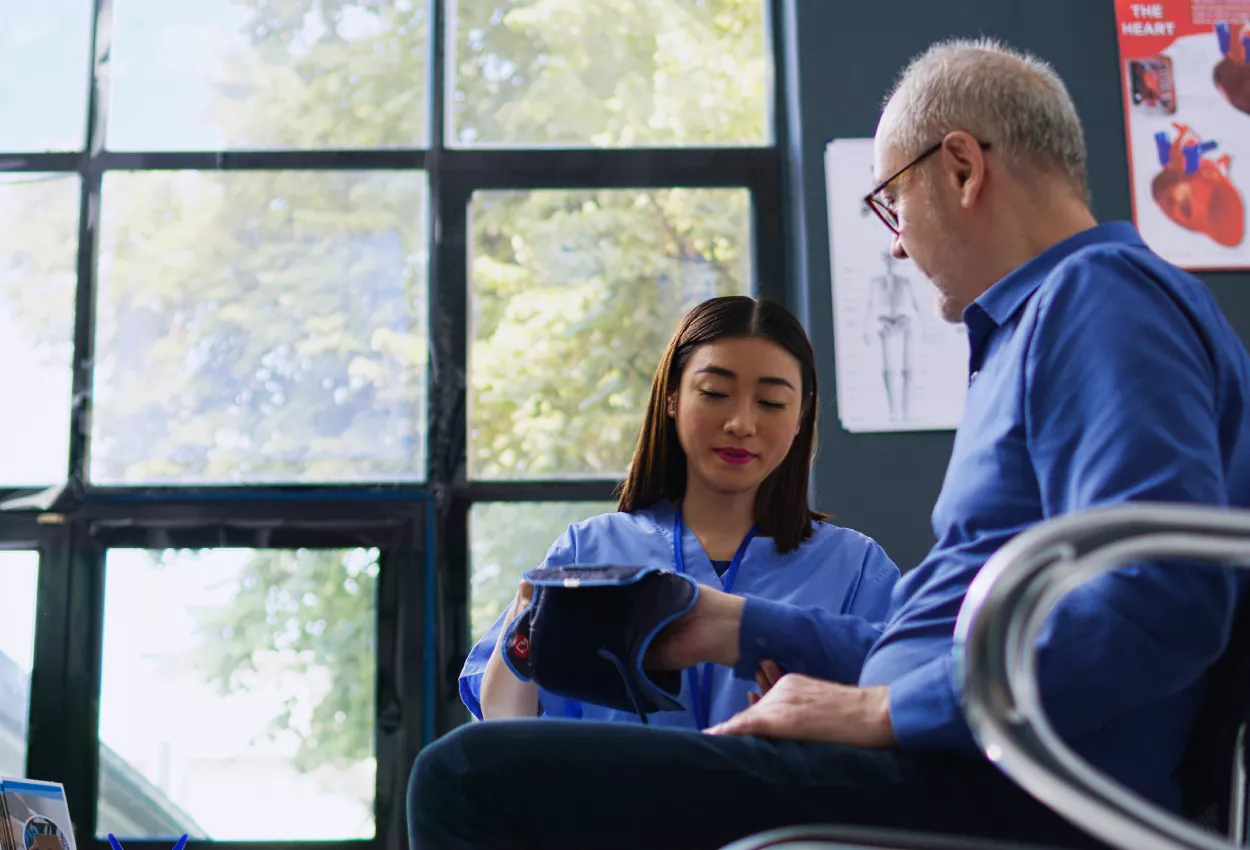
For generations, healthcare has been largely built around hospitals, clinics, and medical offices where patients travel to receive care. While this model has supported countless individuals, modern healthcare challenges are prompting a shift toward a more personalized and accessible approach. Today, healthcare providers are increasingly recognizing that effective treatment extends beyond diagnosing symptoms and prescribing medications. Understanding a patient’s environment, lifestyle, relationships, and daily challenges is becoming equally important.
This evolution has led to the rise of patient-centered medical services, a model that places individuals at the heart of healthcare delivery. By bringing care closer to where people live and integrating medical expertise with personalized support, healthcare systems are creating more meaningful and effective patient experiences.
Understanding Patient-Centered Healthcare
Patient-centered healthcare is founded on the principle that every individual has unique needs, circumstances, and priorities. Rather than focusing solely on a disease or medical condition, this approach considers the whole person. Factors such as family support, cultural background, financial circumstances, emotional wellbeing, and living conditions can significantly influence health outcomes.
In a patient-centered model, healthcare professionals collaborate with patients to create personalized treatment plans that reflect their specific situations. This approach encourages stronger communication, greater trust, and a deeper understanding of the challenges patients face beyond the clinical setting.
As healthcare continues to evolve, providers are increasingly moving away from standardized solutions and embracing care strategies tailored to individual needs.
The Growing Importance of Home-Based Healthcare
One of the most significant developments in patient-centered medicine is the expansion of home-based healthcare services. Delivering medical care directly to patients in their homes provides benefits that traditional office visits often cannot achieve.
Home visits allow healthcare professionals to observe factors that may influence a patient’s wellbeing, including living conditions, mobility challenges, family interactions, and access to resources. These insights help providers identify potential barriers to recovery and develop treatment plans that are realistic and practical.
For patients with chronic illnesses, cardiovascular conditions, disabilities, or age-related health concerns, home-based care can be especially valuable. Traveling to medical facilities may be difficult, costly, or physically demanding. Receiving care at home reduces these challenges while ensuring timely medical attention and ongoing support.
Additionally, patients often feel more comfortable discussing concerns in familiar surroundings, leading to stronger communication and improved healthcare outcomes.
Building Stronger Patient Relationships
A key advantage of patient-centered medical services is the opportunity to establish long-term relationships between healthcare professionals and patients. Rather than focusing solely on isolated medical episodes, providers can gain a broader understanding of a patient’s health journey over time.
This continuity of care allows physicians and healthcare teams to monitor changes in health, identify emerging concerns early, and provide more comprehensive guidance. It also strengthens trust, which is essential for successful treatment and patient engagement.
When patients feel heard, respected, and involved in healthcare decisions, they are more likely to follow treatment recommendations and actively participate in managing their health. Strong relationships create a foundation for better communication, greater confidence, and improved outcomes.
The Role of Technology in Modern Care
Technology is playing a crucial role in expanding patient-centered healthcare. Telemedicine, virtual consultations, electronic prescriptions, remote monitoring devices, and digital health platforms are making healthcare more accessible than ever before.
These innovations enable patients to connect with healthcare professionals without needing to travel long distances. Individuals living in remote areas or facing mobility challenges can receive guidance, follow-up care, and specialist consultations from the comfort of their homes.
Remote monitoring tools also allow healthcare providers to track important health indicators in real time, helping detect potential problems before they become serious. As a result, patients can receive faster interventions and more proactive care.
Importantly, technology enhances healthcare delivery without replacing the human connection that remains central to effective medical practice.
The Emergence of Hybrid Healthcare Models
The future of healthcare is increasingly being shaped by hybrid care models that combine traditional consultations, home visits, and digital services. This integrated approach offers flexibility while ensuring that patients receive the most appropriate form of care for their specific needs.
A patient may attend an in-person consultation for an initial assessment, receive follow-up support through virtual appointments, and benefit from home visits when additional evaluation is required. Such models improve accessibility, reduce waiting times, and enhance continuity of care.
Hybrid healthcare also helps healthcare systems operate more efficiently by optimizing resources while maintaining high standards of patient care.
Conclusion
Development of patient-oriented medical services is a truly revolutionary process in the field of providing health care. Bringing care close to patients, personalizing services, building strong relationships, and using new technologies become key factors in forming more responsive and efficient systems of health care.
Taking into account further development of the healthcare sector, home-based services, telemedicine, and other service forms are expected to be increasingly important in providing good results in the field of health care. All in all, it becomes evident that the future of health care does not merely lie in providing cure but rather in comprehending the person who requires care.