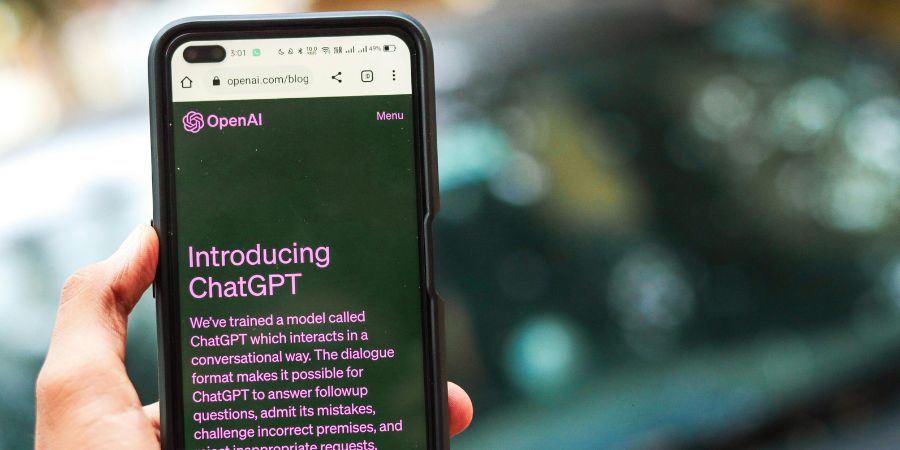
The new payment feature allows ChatGPT’s personal AI agents to complete purchases with user approval, bringing OpenAI closer to the rapidly developing agentic commerce market.
Shopping through ChatGPT is taking another step towards becoming a complete buying experience. OpenAI has launched ChatGPT Wallet, a payment feature that allows its personal AI agents, called dots, to purchase products on behalf of users. The feature moves ChatGPT beyond helping consumers research products and compare options, giving its agents a way to complete transactions.
Announced on November 13, 2026, ChatGPT Wallet is initially rolling out to a limited number of ChatGPT Pro subscribers in the United States who are at least 18 years old and have eligible US-issued Visa, Mastercard or American Express cards.
The launch also brings three major payment networks into OpenAI’s agentic commerce plans. It reflects a broader shift in how technology companies are approaching online shopping, with AI assistants increasingly expected to handle tasks that previously required several steps from consumers.
How ChatGPT Wallet Works
Users can add an eligible payment card to ChatGPT Wallet and ask their dot to help find and purchase something. Before a transaction takes place, the agent presents the selected items, total amount and payment card for the user to review.
Every purchase requires a security check, such as Face ID or a fingerprint scan. This approval creates a record of the transaction authorised by the user.
Payment security is central to the arrangement. Rather than giving the AI agent access to the actual card details, the payment network supplies a payment token containing substitute payment information. This allows the transaction to proceed without exposing the user’s actual card details to the agent or merchant.
OpenAI says customers can also retain eligible card rewards and existing protections, including the ability to dispute qualifying transactions with businesses.
The distinction is important because an AI agent handling a purchase needs access to enough information to complete the transaction without receiving unrestricted access to a person’s financial details.
Why Visa, Mastercard and American Express Matter
OpenAI is developing ChatGPT Wallet with American Express, Mastercard and Visa. Their participation gives the feature access to established payment infrastructure rather than requiring consumers and retailers to adopt an entirely new checkout system.
This also addresses one of the practical challenges facing agentic commerce: payment systems must be able to distinguish authorised purchases initiated by AI agents from suspicious automated activity.
OpenAI acknowledges that some websites and fraud-prevention systems may mistakenly block legitimate agent transactions. To address this, the company has published a Commerce Partner Playbook offering guidance to businesses on product information, website access and payment compatibility.
It is also working with fraud-prevention companies Forter, Riskified, Sardine and Signifyd, alongside payment providers Adyen, Checkout.com and Stripe.
For retailers, the development introduces an operational consideration. Websites and payment systems designed around human shoppers may need adjustments to accommodate purchases initiated by authorised AI agents.
What the Launch Means for Agentic Commerce
The launch comes as technology companies explore how AI assistants can take on more everyday responsibilities. Product discovery and recommendations have already become common features in consumer AI tools. Completing purchases introduces another level of responsibility, particularly around payment authorisation, customer information and transaction security.
OpenAI says it eventually wants users to establish spending limits, select permitted product categories and define time periods for purchases. These settings could allow agents to handle more transactions independently, subject to safeguards and user-approved conditions.
For now, those capabilities remain part of the company’s longer-term plans rather than the current launch.
There are also questions around adoption. Retailers must decide how to accommodate AI-driven shopping, payment providers must recognise legitimate agent transactions, and consumers must feel comfortable delegating purchasing tasks to software.
ChatGPT Wallet is an early attempt to connect these different parts of the shopping process. Its initial availability is deliberately limited, giving OpenAI, payment networks and businesses an opportunity to assess how the system performs in real-world transactions.
The larger development is worth watching: AI assistants are beginning to move from recommending what consumers should buy to participating in the actual transaction. Whether shoppers and retailers embrace that change will determine how significant agentic commerce becomes.