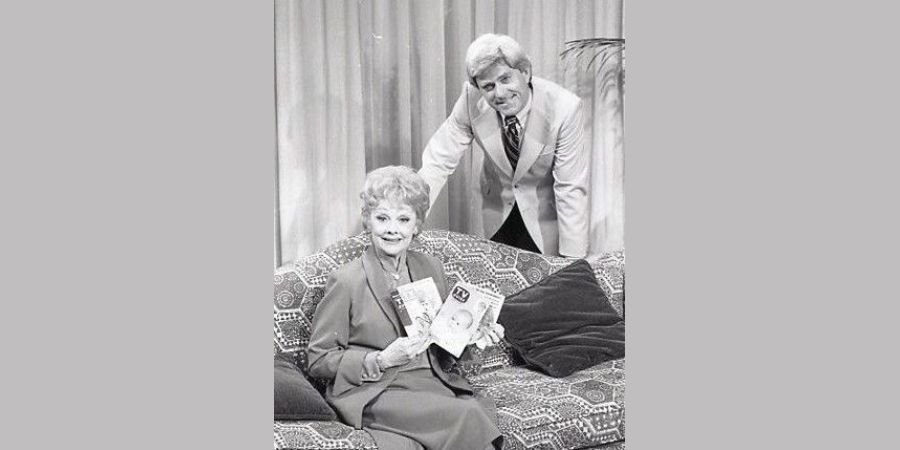
When television host Phil Donahue rose to national prominence, public interest extended beyond his professional achievements to his family life. His 1975 divorce from Marge Cooney marked a significant change in their family arrangements: Donahue raised their four sons, while Cooney returned to her native New Mexico with their only daughter, Mary Rose. As Donahue continued his television career, his experience as a father raising four boys became part of his public identity. Cooney, by contrast, remained largely outside the public spotlight.
A contemporary account of this period appeared in The Washington Post on January 27, 1980. In an article titled “Donahue’s Dilemma,” journalist Joel Swerdlow examined the personal challenges behind Donahue’s public image. The profile noted that women’s magazines had described him as a “Bachelor-Father” and reported that Cooney had returned to New Mexico and remarried.
This article explores Marge Cooney and Phil Donahue’s marriage, their five children, the circumstances surrounding their 1975 divorce, and how the separation shaped Donahue’s years as a publicly recognised single father, alongside what is known about Cooney’s life after their marriage ended.
Before Phil Donahue Became a Television Star
Marge Cooney married Phil Donahue in 1958, before he became one of the most recognisable figures in American daytime television. Their marriage began during the early years of his working life, long before his talk show established his national reputation.
After graduating from the University of Notre Dame, Donahue worked briefly at a bank in Albuquerque, New Mexico. He subsequently entered broadcasting, taking jobs in Michigan before moving to Dayton, Ohio, where he developed his career in radio and television.
His programme eventually gained a wider audience and became nationally syndicated. Known for its audience participation and willingness to address controversial subjects, The Phil Donahue Show became an influential presence in American daytime television. Its discussions covered politics, social issues, relationships and subjects that were not always addressed openly on other programmes.
For Cooney, these developments unfolded during a marriage that had begun before Donahue achieved national fame. The couple raised their growing family while his professional responsibilities expanded. Their eventual separation would change their family arrangements as well as the way Donahue’s personal life was discussed in the press.
The Divorce That Changed the Family’s Daily Life
Marge Cooney and Phil Donahue divorced in 1975 after 17 years of marriage. They had five children together: Michael, Kevin, Daniel, James and Mary Rose.
Following the divorce, Donahue raised their four sons, while Mary Rose went to New Mexico with her mother. The arrangement placed the children in two households and established different day-to-day parenting responsibilities for each parent.
The circumstances attracted attention partly because Donahue remained a highly visible television personality. His professional success continued alongside his responsibilities at home, creating a public narrative around his experience as a working father raising four boys.
Swerdlow’s 1980 Washington Post profile explored the pressures associated with Donahue’s career and family responsibilities. It portrayed him as deeply committed to his work and discussed the personal costs that professional ambition could carry. The account adds context to the challenges he faced, although it should not be treated as a complete explanation of the couple’s reasons for divorcing or their decisions about custody.
Cooney’s experience appeared differently in the contemporary record. The newspaper reported her return to New Mexico and subsequent remarriage, but offered much less information about her life after the separation. This difference in coverage reflects the contrast between Donahue’s continuing public career and Cooney’s comparatively private life.
How the ‘Bachelor-Father’ Narrative Took Shape
After the divorce, Donahue’s family circumstances became part of his public identity. The “Bachelor-Father” label, mentioned in the 1980 Washington Post profile, captured the image of a television personality balancing professional demands with raising four sons.
His household attracted attention because it challenged familiar expectations about divorced fathers and childcare. Rather than remaining a peripheral detail in his biography, his experience as a parent became a recurring subject in coverage of his personal life.
The newspaper profile also explored the difficulties that came with this attention. Donahue’s celebrity affected his children, who sometimes found it uncomfortable to be recognised through their father’s public reputation. The account therefore presented a more complicated picture than a simple story of professional success and single parenthood.
Cooney occupied a different position in this narrative. Although she was the mother of all five children, the press coverage focused more heavily on Donahue’s experiences raising the boys. Her move to New Mexico with Mary Rose placed her outside much of the media attention surrounding his household.
Marge Cooney’s Life After the Separation
According to the January 1980 Washington Post profile, Cooney returned to her native New Mexico with Mary Rose and later remarried. She did not pursue a comparable career in entertainment or become a regular subject of celebrity reporting.
Donahue continued building his television career and married actress Marlo Thomas in 1980. Thomas became his second wife, while Cooney remained the mother of his five children from his first marriage.
The available public record contains considerably more information about Donahue’s broadcasting career than about Cooney’s subsequent life. His contribution to daytime television has been widely documented, whereas details about Cooney’s later activities, interests and personal experiences are less extensively recorded.
That imbalance is important when considering her place in Donahue’s biography. Limited media coverage does not establish that a person led an uneventful life; it simply means that fewer reliable public accounts are available. Cooney’s story can therefore be described most responsibly through the documented details of her marriage, their children, the divorce and her return to New Mexico, without assuming facts about her private life that the evidence does not establish.
Frequently Asked Questions
Who was Marge Cooney?
Marge Cooney was Phil Donahue’s first wife. They married in 1958, had five children together and divorced in 1975. Cooney subsequently returned to New Mexico with their daughter, Mary Rose.
How many children did Marge Cooney and Phil Donahue have?
They had five children: Michael, Kevin, Daniel, James and Mary Rose.
What happened to the children after the divorce?
Following the 1975 divorce, Donahue raised their four sons, while Mary Rose went to New Mexico with Cooney.
Where did Marge Cooney live after her divorce?
The January 27, 1980, Washington Post profile reported that Cooney returned to her native New Mexico and later remarried.
Why is Marge Cooney less well known than Phil Donahue?
Donahue continued a prominent television career, and his experience raising four sons became part of his public image. Cooney remained outside the entertainment industry and received considerably less media coverage. The difference in their public profiles explains the imbalance in available reporting, but it does not establish the full story of her life after the divorce.