Healthcare has traditionally been delivered within the structured environment of hospitals, clinics, and medical offices. These settings provide the tools, expertise, and resources necessary to diagnose and treat illness. Yet, many of the factors that shape a person’s health exist far beyond examination rooms and medical records. The homes people live in, the relationships they maintain, the communities they belong to, and the challenges they face every day often have a profound impact on their wellbeing.
As healthcare systems strive to improve outcomes and enhance patient experiences, there is growing recognition that effective care must extend beyond the clinic. Understanding patients within the context of their real lives enables healthcare professionals to address not only symptoms and diseases but also the underlying factors that influence health. This shift toward a more holistic and patient-centered approach is transforming the way care is delivered around the world.
Health Is Influenced by More Than Medical Conditions
Medical science has achieved remarkable advances in diagnosing and treating disease. However, health outcomes are rarely determined by biological factors alone. Social, environmental, economic, and emotional influences often play an equally important role.
A patient with a chronic illness may struggle to follow treatment recommendations due to financial constraints. An elderly individual may experience health complications because of mobility limitations or inadequate social support. A person recovering from surgery may face challenges related to housing conditions, transportation, or caregiving responsibilities. These realities cannot always be identified during a brief clinical appointment.
When healthcare professionals gain a deeper understanding of a patient’s circumstances, they are better equipped to develop realistic and effective treatment plans. Recognizing the broader influences on health allows care to become more personalized, practical, and meaningful.
The Value of Seeing Patients in Their Own Environment
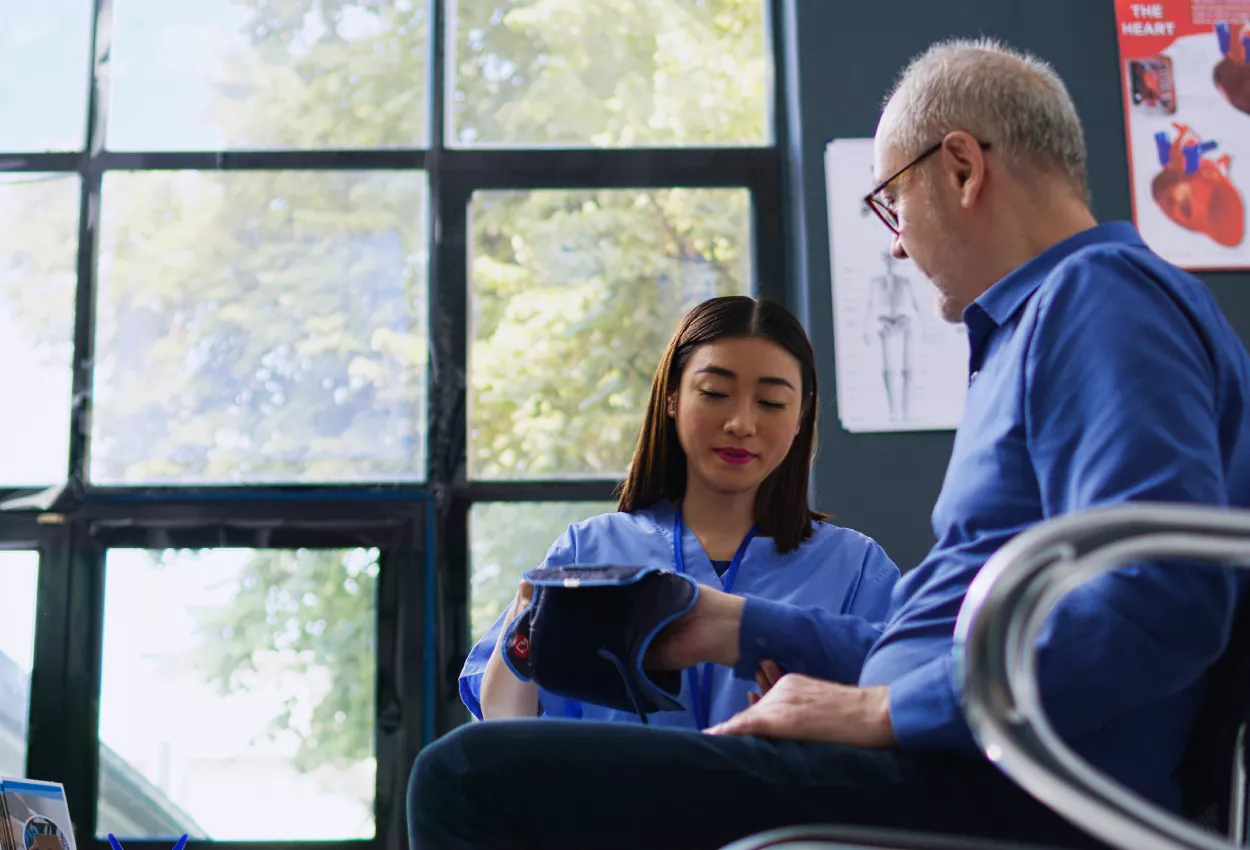
One of the most effective ways to understand a patient’s reality is through home-based care. When healthcare providers visit patients in their homes, they gain valuable insights that are often unavailable in traditional healthcare settings.
The home environment can reveal important information about a person’s daily routines, family dynamics, access to resources, and potential barriers to care. Factors such as living conditions, nutrition, medication management, mobility challenges, and social support networks become more visible when care is delivered where patients spend most of their time.
These observations help healthcare professionals identify issues that may contribute to illness or hinder recovery. As a result, treatment plans can be tailored to fit the patient’s actual circumstances rather than relying solely on assumptions made within a clinical setting.
Home-based healthcare also improves accessibility, particularly for individuals with chronic illnesses, disabilities, advanced age, or limited mobility. By reducing the burden of travel and allowing patients to receive care in familiar surroundings, healthcare becomes more convenient and patient-friendly.
Building Stronger Relationships Through Continuity of Care
Healthcare is most effective when it is built on trust and long-term relationships. Patients who feel understood and respected are more likely to communicate openly, follow medical advice, and actively participate in their care.
Adapting healthcare to patients’ real lives requires healthcare professionals to move beyond episodic treatment and embrace continuity of care. Instead of focusing solely on individual appointments or isolated health concerns, providers can develop a broader understanding of each patient’s history, experiences, and evolving needs.
Over time, this deeper knowledge allows healthcare professionals to identify patterns, anticipate challenges, and provide more personalized guidance. The result is a stronger partnership between patient and provider, leading to better outcomes and greater satisfaction with care.
The Growing Role of Technology
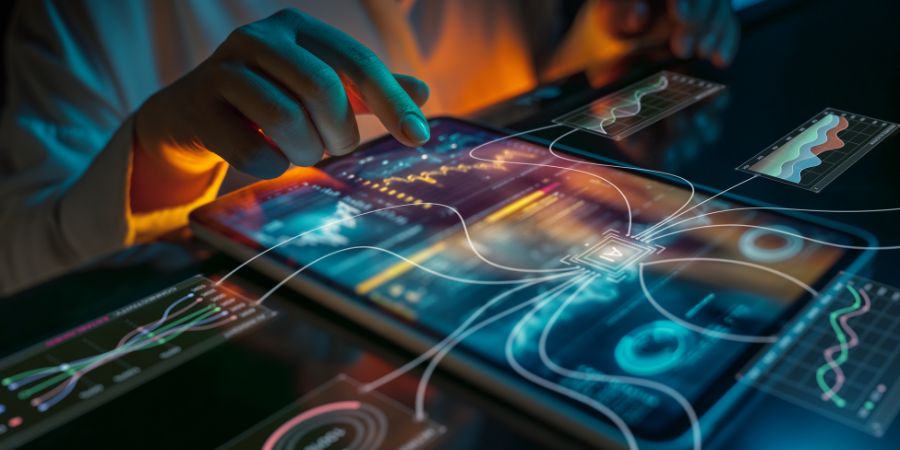
Technology is helping bridge the gap between healthcare facilities and patients’ daily lives. Telemedicine, remote monitoring systems, electronic prescriptions, virtual consultations, and digital communication tools are making healthcare more accessible and flexible.
Patients can now consult healthcare professionals from their homes, receive follow-up care remotely, and monitor chronic conditions using digital devices. These innovations allow providers to remain connected with patients between appointments and respond more quickly when concerns arise.
Importantly, technology should be viewed as a tool that enhances healthcare rather than replacing human interaction. While digital solutions improve accessibility and efficiency, the foundation of effective healthcare remains the relationship between provider and patient.
When combined with personalized care, technology can help create a healthcare system that is both modern and deeply human.
Conclusion
The future of healthcare is determined by the system’s ability to become responsive to the needs of its clients. Illness occurs in real life, and so should healthcare. In order to help people, healthcare specialists have to understand them as part of their environment.
By adopting such principles as offering home-based services, building better relationships with patients, using new technologies, and focusing on disease prevention, healthcare systems will be able to go beyond the borders of a clinic and deal with all the issues that matter to patients’ wellbeing. The healthcare of the future is about accepting one important thing – to help a person, healthcare has to meet him or her where life is happening.