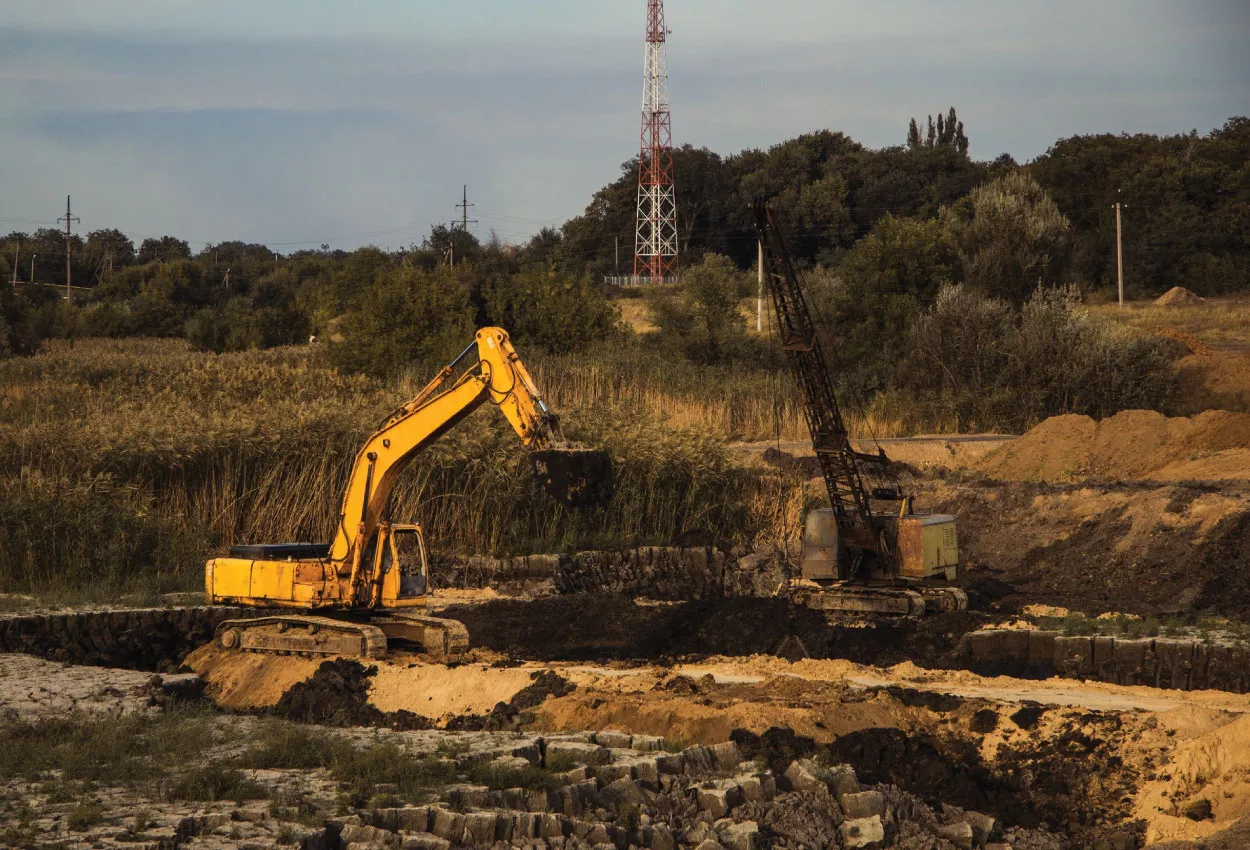
Cities are filled with places that appear finished yet feel unresolved. Plazas without pause, walkways without invitation, parks that exist more as plans fulfilled than lives supported. Drawings are approved, budgets closed, inaugurations celebrated, yet daily use tells a quieter story. When public spaces are shaped by compliance rather than care, they lose their ability to host belonging. They stand intact but underlived, technically present yet emotionally absent.
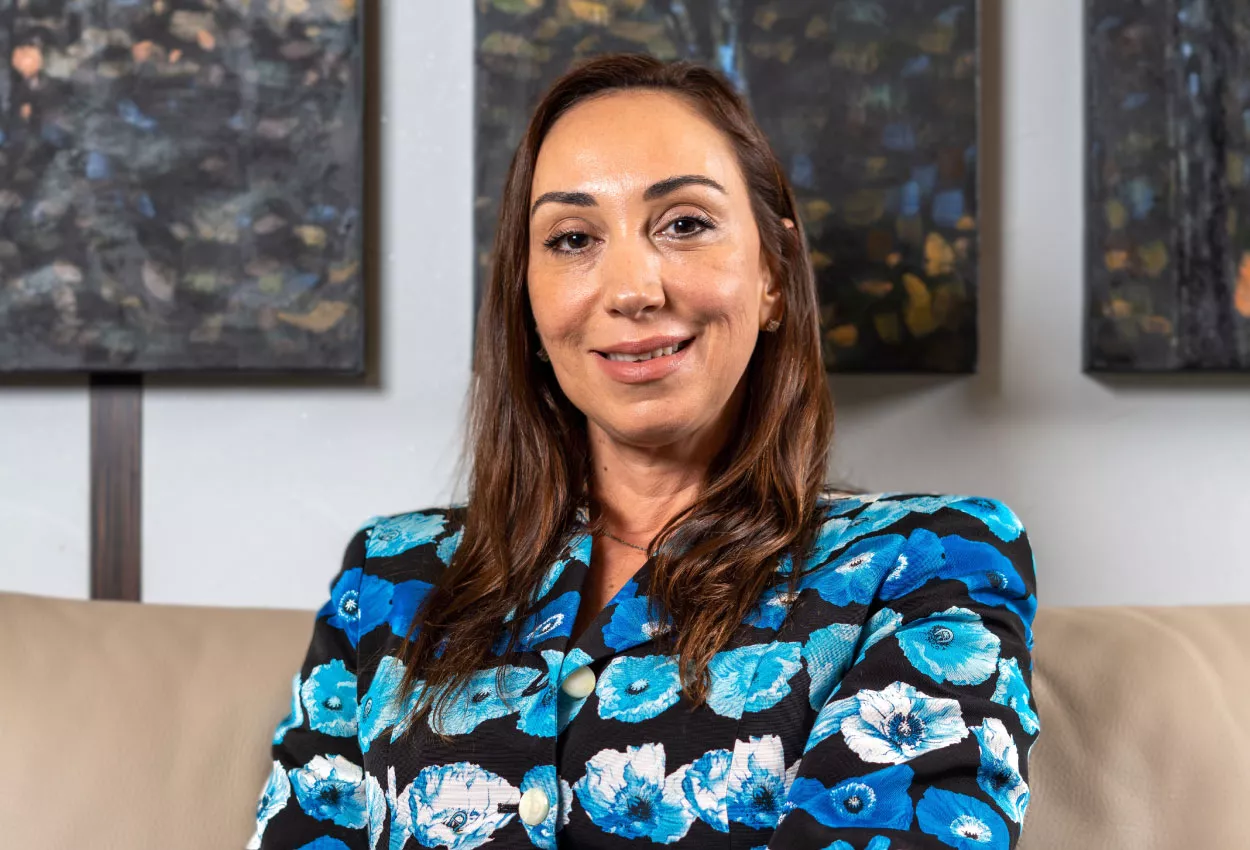
It is within this gap between construction and experience that Renata Gaudêncio and Concrepoxi Artefatos operate. Rather than treating urban space as a static outcome, they approach it as a living system shaped by behavior, ethics, and long-term responsibility.
The Awakening of a Public Space Mindset
Renata’s path toward entrepreneurship in urbanism did not emerge from a single decision but from a gradual awakening shaped by observation, contrast, and lived experience. While studying architecture in Spain, she developed a deep interest in public spaces and their transformative power. What fascinated her was not only form or aesthetics, but the intrinsic relationship between thoughtful design, quality construction, and long-term economic and social value. Well-designed public spaces, she observed, were not indulgences but systems that elevated everyday life.
Returning to Brazil, the contrast was unavoidable. She encountered a reality marked by uneven quality in public infrastructure, shaped by gaps in technical education, ethical inconsistencies, and entrenched cultural practices. Yet rather than retreat into critique, Renata approached her early career with openness. She sought opportunities to learn across disciplines, embracing complexity rather than specialization too early. This openness led her to participate in a demanding trainee selection process at a multinational engineering company, without knowing exactly where it would lead.
The assignment turned out to be formative. She became part of a large-scale urban development project spanning five hundred hectares near her home city, integrating private and public spaces within a master planned vision. Over nearly seven years, Renata immersed herself in an environment of intense learning, collaborating with professionals and consultants from around the world. This period laid the technical and strategic foundation for her future work, teaching her how cities are not merely designed but negotiated, executed, and lived.
Loss, Legacy, and a Shift in Direction
A profound turning point came through personal loss. Renata’s father, a respected Brazilian engineer, passed away after battling an aggressive cancer. His company specialized in concrete structure repair, a business deeply dependent on his expertise. In his final professional chapter, he took on a project unlike his usual work. He insisted on executing the construction of Dona Lindu Park, designed by Oscar Niemeyer, despite its limited budget and complexity.
Renata believes this project was his way of leaving a gift to the city, a public legacy shaped by conviction rather than profit. At the time, the significance of this choice was emotional rather than strategic. Yet years later, she recognizes it as the quiet beginning of a new era. It planted the seeds for what would eventually become a collective endeavor rooted in purpose, creativity, and autonomy.
Seventeen years on, Renata can connect these moments into a coherent narrative. Together with her partners, she began envisioning a future that allowed greater freedom of action and alignment with shared values. After two years of intense study and planning, she founded Concrepoxi Artefatos. This initiative was not meant to compete with the existing engineering company but to establish an entirely new entity, one capable of proposing a different relationship between construction, design, and urban life.
Creating a New Engine for Cities
The founding of Concrepoxi Artefatos coincided with a broader crisis. In 2015, Brazil’s construction sector faced severe economic contraction. Rather than retreat, Renata saw the moment as an opportunity to rethink structure itself. The company was designed as an elastic project, able to adapt and grow despite prolonged instability. Flexibility became a survival strategy, anchored by a firm commitment to purpose.
Concrepoxi Artefatos was conceived as a base for better cities and as a pathway toward what Renata refers to as a softer city. Its operational phases were structured to accelerate sustainable urban development, moving beyond commodity production into value creation rooted in data, design, and ethics. The ambition was not limited to local impact. From the beginning, the model was imagined as a pilot capable of replication beyond regional boundaries, market traditions, and even the legacy structures of its origin.
What mattered most was not financial scale but the magnitude of impact. Renata focused on building a system that could evolve, multiply, and remain meaningful across contexts. This philosophy laid the groundwork for what would later become known as the City Factory, “Fábrica de Cidades”, an idea that transcended physical infrastructure to encompass imagination, collaboration, and long-term transformation.
Imagining the City Before It Exists
The City Factory emerged first as an inner necessity. During periods of hardship, Renata turned to imagination as a form of resilience. She often references the film La Vita è Bella as a metaphor for creating parallel realities that offer hope and direction during difficult times. For her, imagination was not escapism but strategy. It allowed her to design futures that could later be built through disciplined action.
Creating a sustainable urban innovation ecosystem within the historically aristocratic environment of northeastern Brazil required more than capital. It demanded a reconfiguration of desire. Renata understood that transformation would only occur if stakeholders across social and intellectual layers could see themselves reflected in a new narrative. Over time, each meaningful interaction was documented, forming a living archive of learning and progress.
By sharing this evolving vision through digital platforms, Renata accelerated awareness and participation. The City Factory became both a concept and a movement, one that linked job creation, urban transformation, and collective aspiration. It positioned Concrepoxi Artefatos not only as a company, but as a catalyst for shared futures.
Seeing the World in Layers
Renata belongs to the generation of architects who transitioned from hand drafting to digital environments. This shift shaped her thinking profoundly. She learned to perceive reality in layers, each one revealing different relationships and consequences. Digital tools taught her how to toggle visibility, simplify complexity, and optimize workflows, but also reinforced the understanding that no layer can be ignored without consequence.
Her approach to innovation is grounded in the reuse and recombination of data, particularly through three-dimensional models that function as adaptable building blocks. She believes the future construction professional will move fluidly across traditional boundaries, integrating architecture, engineering, and technology into unified systems. This mindset is essential for aligning artificial intelligence with concrete urban transformation.
Her studies in Spain further reinforced this perspective. There, complexity was handled through integration rather than fragmentation. Smaller teams and streamlined processes allowed for clearer vision and stronger aesthetic and functional outcomes, especially in public space projects. Renata came to see architecture not only as art, but as a discipline capable of elevating society when creation and consumption evolve together.
Structure as a Creative Ally
Creativity has always been central to Renata’s identity, but structure became its greatest ally through her specialization in project management. Training under the Project Management Institute framework helped her conserve energy and transform ideas into executable strategies. By balancing process groups and knowledge areas, she learned to measure impact, manage risk, and maintain strategic alignment without suppressing innovation.
As the pace of change accelerated, she gradually adopted agile methodologies inspired by the Agile Manifesto. These approaches allowed for rapid iteration and closer alignment with what she calls the customer of the city. Rather than focusing solely on how things are done, Renata emphasizes understanding why they are done. Success, in her view, is defined by achieving meaningful outcomes with minimal waste, prioritizing intention over spectacle.
This philosophy challenges conventional interpretations of smart cities. For Renata, intelligence lies not in technology itself but in participation. Citizens, professionals, and institutions must actively engage with the master plan, each contributing their perspective and responsibility.
Public Space as the New Luxury
Renata’s conviction that people deserve better public spaces is not abstract. She views public space as the purest expression of a city’s character. These environments invite experience without pretense, offering health, contact with nature, and moments of authentic connection. For her, public space represents a new form of luxury, one that citizens can help create and sustain.
She believes public spaces should be recognized as the most valuable urban asset due to their far-reaching impact on daily life. When public institutions and entrepreneurs collaborate, cities gain the power to transform ordinary actions such as walking, resting, or socializing into meaningful experiences. Creativity replaces monotony, and cities become places of presence rather than passage.
Innovation as a Continuous Act
Entrepreneurship in urbanism presents unique challenges, particularly the tension between vision and execution. Renata describes the primary challenge as agility. Cities demand fast responses and often require solutions that do not yet exist. Misalignment between client expectations and practical execution is common, with initial concepts often driving demands for immediate budgets before the scope is fully defined.
This dynamic places pressure on time, resources, and teams. Balancing financial sustainability with human capacity remains an ongoing challenge. Rather than resisting these tensions, Renata views them as part of the journey between the ideal and the concrete. Innovation, for her, is not a destination but a continuous process of adjustment and learning.
Designing for Lived Experience
Much of Renata’s early work focused on business-to-business and business-to-government relationships. Today, her attention is shifting toward citizens themselves. She sees this as the next phase of her journey, designing spaces and systems that respond directly to lived experience. This transition reflects her belief that the future of cities belongs to those who inhabit them daily.
Building a Gateway for Ethical Innovation
Since its founding, Concrepoxi Artefatos has evolved significantly. Its most important transformation has been the establishment of a green purpose and a brand identity centered on digital urban transformation. Renata does not want the company to be remembered for a single product. Instead, she envisions it as a gateway for ethical innovation, enabling new products and services through transparency and collaboration.
Sustainability and social well-being guide this vision. Design thinking informs how data is structured and applied, ensuring that urban transformation is both measurable and meaningful. Renata is particularly interested in engaging factories and industrial partners who share a commitment to ethical development.
The Discipline of Gentle Acceleration
Renata’s leadership philosophy is rooted in navigating the space between aspiration and reality. She actively seeks empowerment through technology, using it to simplify complexity and reduce friction for both teams and clients. Her organizations emphasize collaboration, transparency, and passion, supported by continuous prototyping and automation.
This approach forms the backbone of her Urban Innovation Centre concept, where creativity and discipline coexist. Leadership, in this context, is less about control and more about enabling momentum.
Toward a Softer Future
Looking ahead, Renata envisions cities becoming softer, more humane, as a result of years of persistent effort. She anticipates the consolidation of a true Urban Innovation Centre within Concrepoxi Artefatos, bringing together diverse stakeholders in shared purpose.
The journey has not been easy. Resistance from established markets and skepticism toward innovation have been constant companions. Yet Renata remains convinced that evolution is a daily responsibility. For her, progress is not a competition against others but a commitment to self-improvement. As citizens evolve, so too will their environments. Between the ideal and the concrete, she believes, the work of building better cities never truly ends.
Read Also: Top 10 Inspiring and Amazing Women Leaders to Look Out for in 2026