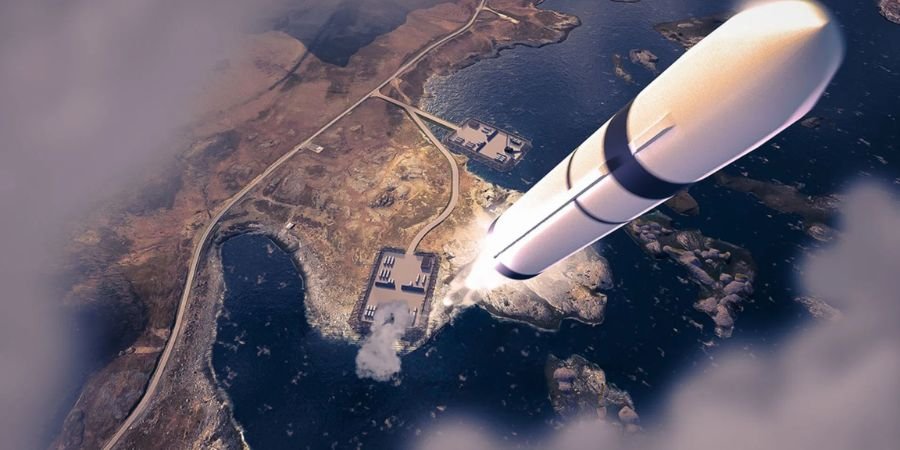
Grahaa Space is a Grahaa Space Bangalore startup located in Bangalore. The company has been wanting to send its first satellite to space for a while. So far, it just got the green light from the Indian space agency to proceed with that plan, supported by recent IN SPACe approval. The team calls their satellite Solaras S2, and they promise to launch it toward the end of November as part of the Grahaa Space launch November 2024 plan. The launch will be in Brazil, with a small rocket made by a South Korean company called Innospace, forming the basis of the Innospace rocket launch Brazil partnership.
It is a very simple first flight. The team only wants to confirm that their satellite is functioning as per the design, a key step in satellite design validation. A space test gives them much more information than any ground lab test. This first mission also supports small satellite testing efforts and will verify low Earth orbit imaging capability. If everything is fine, they would be able to use what they learn to prepare for bigger projects later on, strengthening the Grahaa Space Solaras S2 launch timeline for future missions.
How The Company Started
Grahaa Space started with two founders who had completely different backgrounds. One of them had worked at the Indian space agency and knew satellite engineering in and out. The other one had worked at IBM and had a tech development background. So they decided to make small satellites that can send pictures and information about the Earth very quickly, supporting an ambitious space tech startup India vision.
Their idea is very straightforward. A large number of industries require instant updates about what is going on the ground. Farmers need to know how their lands change. Emergency responders want quick updates during floods and fires. Urban planners need continuous data for their work. Grahaa Space is going to do this by a cluster of small satellites in a low orbit that strengthen Indian satellite mission goals.
The company signed a contract with Innospace to launch Solaras S2 in 2024, marking an early step in the growing Grahaa Space partnership with Innospace. Since that moment, the crew has been concentrating on satellite preparation, checking all the components, and getting the Grahaa Space launch November 2024 mission ready.
Support And Growth
It’s a fact that no young company can grow alone. Grahaa Space has been supported by the Viskan group and an incubation center at the Indian Institute of Space Science and Technology in Trivandrum. This center offers start-ups access to mentors, lab equipment, and a vibrant scientific community. Such support was instrumental for Grahaa Space to perfect the Solaras S2 mission and get ready for the upcoming tasks.
The company’s founder and chief executive, Mr. Ramesh Kumar V, stated that this mission is to help them make a demonstration of their satellite design validation in an actual space environment. After that, they would have the basic things figured out, so they would be able to go ahead with a clear understanding of the situation. This mission is also an important milestone for Indian satellite mission progress.
He also acknowledged the incubation center and the authorization body as the company’s guiding stars in the early stages. Their support gave the team a great deal of confidence to go ahead with the building and testing of the satellite, especially as they moved closer to another IN SPACe approval milestone.
What Comes Next
Grahaa Space is already figuring out its next missions. So, with Skyroot, an Indian rocket company, the Grahaa Space team has two more launches planned. They aim to be on the road by the beginning of 2026. These missions could shape future Grahaa Space missions with Skyroot. The tests will involve more advanced system components, such as the communication setup of the satellite, the camera system, and the links between multiple satellites.
On the off chance that these missions turn out to be successful, the organization will be a step nearer to assembling a total network of little satellites that can rapidly send updates from space. Ground data can be a great help to many groups for decision-making. It may reveal the weather changes, crop monitoring, providing the emergency teams with the requirements during the disasters, and assisting researchers to better understand daily changes of the Earth. This expanded network could follow the pacing of the Grahaa Space Solaras S2 launch timeline and build on the early lessons learned from the Innospace rocket launch Brazil operation.
Grahaa Space has only just started its way as a Grahaa Space Bangalore startup. However, the direction is clear and they have a small satellite made by a small team which will soon go to space through the Grahaa Space launch November 2024 plan, driven by the Solaras S2 mission. The work being done now has the potential to reshape the data services in India for the next few years, building momentum for small satellite testing and low Earth orbit imaging advancements.