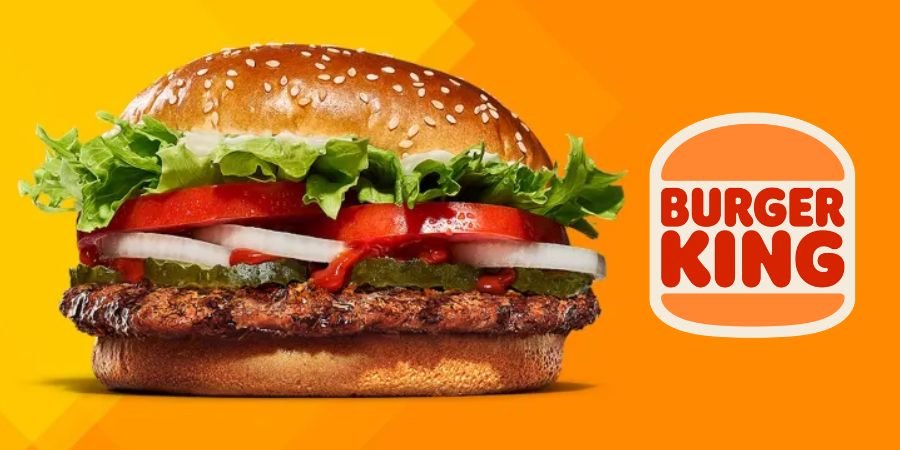
TL;DR: In February 2026, Burger King rolled out its first major Whopper upgrade in nearly a decade, a new premium bun, creamier mayo, and clamshell box packaging, all driven directly by customer feedback. The flame-grilled beef and classic toppings are untouched.
Picture this: you order a Whopper at the drive-through, eager for that familiar flame-grilled bite, and unwrap a smushed bun, scattered toppings, and a burger that looks nothing like the ad. For millions of fans, that wasn’t an occasional annoyance. It was the reason they stopped coming back.
In February 2026, Burger King fixed it.
After years of customer feedback, seven months of kitchen testing, and coordination with nearly a dozen national bakeries, the Whopper is getting its most deliberate upgrade since at least 2016. The core is unchanged, same flame-grilled quarter-pound beef, same classic toppings. But the bun, the mayo, and the packaging? All improved, all traceable to exactly what customers said was broken.
A Quick History
At a glance:
- Introduced: 1957, Miami, Florida
- Original price: 37 cents
- Current U.S. footprint: 7,000+ locations
- Global presence: 18,000+ restaurants in 100+ countries
The Whopper was born as a direct challenge to McDonald’s. It was bigger, it was flame-grilled, and it tasted like a backyard cookout, not a flat-top diner. That positioning stuck. While McDonald’s built an empire of menu diversity, Burger King built its entire identity around one sandwich.
“When the Whopper is off, Burger King is off. When it’s right, everything else falls into place.”
For nearly 70 years, the brand has treated the Whopper less like a menu item and more like a founding document. Any change to it is news. A meaningful change is a genuine event.
What Exactly Changed in 2026
The New Bun – The Biggest Upgrade
- The problem: The old bun compressed under toppings, arrived squashed, and fell apart mid-bite.
- The fix: A thicker, premium bakery-style bun with more lift, a glazed exterior, and sesame seeds that actually stay put.
Head chef Amy Alarcon, who joined Burger King in January 2026, led a months-long development process with nearly a dozen national bakeries to get it right. Bakers adjusted pan sizes for more height, and the exterior glaze serves two functions: it locks in the seeds and gives the bun a subtle artisanal appearance.
“It helps the sesame seeds stick to the bun better, and then just creates that visual appeal that makes it look a little bit more artisanal and less just this factory-produced high-speed-production-baked item.” – Amy Alarcon, Burger King Head Chef
Result: A bun that survives assembly, survives transport, and survives your hands.
The New Mayo – Creamier, More Complex
The problem: The original mayo had become unremarkable in a market where competitors were actively investing in premium sauces.
The fix: A creamier formulation with notes of sweetness and citrus, developed to complement, not compete with, the smoky beef.
Franchisees initiated this alteration which led to its implementation. Front-line operators requested a higher-quality mayonnaise product which became an official requirement for development. The condiment produces an elevated dining experience through its refined taste which remains distinct from common flavors.
The New Packaging – Finally, a Box
The problem: Paper wrap offered zero structural protection. The Whopper arrived crushed. Every. Single. Time.
The fix: A clamshell box that cradles the burger, prevents compression, and retains heat in a way that creates, in Alarcon’s words, “that melty cheese experience.”
This is the most immediately visible change and the one that solves the most common customer complaint. President Tom Curtis put it simply: the box “kind of holds it together.”
What Has NOT Changed
Reassurance for longtime fans, the soul of the Whopper is untouched:
- Flame-grilled quarter-pound beef patty, same as always
- Fresh tomatoes and crisp lettuce
- Freshly cut onions and pickles
- Ketchup
- The upside-down burger experiment? Tested and abandoned. “Let’s just build it the way it’s meant to be done.” – Alarcon
Why Now? It’s All About Customer Feedback
The short version: Burger King asked. Customers answered. The company actually listened.
President Tom Curtis has made personal customer outreach a priority, talking to guests at airports, at restaurants, and, in the week before this announcement, taking direct phone calls from customers. The feedback was specific and consistent: the bun is crushed, the sandwich falls apart, the packaging doesn’t work.
“The Whopper is an icon, so we didn’t set out to reinvent it. Instead, we elevated it based on direct Guest feedback.” – Tom Curtis, President of Burger King U.S. & Canada
The kitchen team spent seven months testing combinations of buns, mayonnaise formulations, and packaging. Even the upside-down build was explored before being scrapped. This was not a rushed marketing refresh, it was a methodical, evidence-based product improvement.
The Competitive and Business Context
| Key numbers to know: | |
| Metric | Figure |
| U.S. same-store sales growth (Q4 2025) | 0.026 |
| U.S. same-store sales (most recent quarter) | 0.032 |
| Avg. franchisee profitability (2023) | $205,000+/restaurant |
| Reclaim the Flame investment | $400 million |
| Remodeled store sales lift | ~20% |
The “Reclaim the Flame” backdrop: Before improving the Whopper, Burger King spent years getting its house in order, remodeling restaurants, modernizing operations, and stabilizing franchisee economics. The Whopper upgrade is the payoff on that foundation.
The McDonald’s angle: On March 3, 2026, McDonald’s launched the Big Arch Burger nationwide, a premium stacked sandwich at ~$8.19. Two different strategies, same pressure: prove your core product is worth the price.
The industry reality: Fast food pricing has risen sharply since 2020. Customers now bring fast-casual expectations to the QSR counter. Brands that don’t invest in quality lose traffic, and Burger King has the data to prove investing works.
What This Means for You as a Customer
If you’re a longtime Whopper fan: The burger you love is better supported. The bun holds, the sandwich stays assembled, and the mayo is noticeably more premium. Nothing you love has been taken away.
If you stopped going to Burger King: The specific frustrations that drove lapsed customers away, a crushed sandwich, a collapsed bun, a presentation that didn’t match the price, are the exact things that were fixed.
Early reviewer consensus:
- Box packaging: immediately impactful, does its job
- New bun: fuller profile, structurally stronger, noticeably better
- New mayo: creamier, more refined – subtle but real
- Flame-grilled beef: exactly as it should be – unchanged
What It Means for Franchisees
Estimated additional annual cost per location: ~$4,000
That figure covers the premium bun, the reformulated mayo, and the new clamshell box. Burger King‘s official guidance to franchisees: absorb the cost, don’t raise prices.
The math makes sense if it drives traffic. At $4,000 per year across thousands of Whopper transactions, the per-burger cost increment is modest. And franchisees are entering this upgrade from a stronger financial position than they’ve had in years, average profitability jumped from $140,000 to $205,000+ per restaurant since Reclaim the Flame began.
At RBI’s February 2026 investor day: 97% of franchisees voted to extend elevated marketing fees through 2027, a strong signal that the franchise network believes in where the brand is heading.
The Bigger Picture: How Fast-Food Icons Actually Change
The pattern across the industry:
- McDonald’s Big Mac – years of subtle tweaks to sauce, bun specs, and temperature consistency through the “Best Burger” initiative
- Wendy’s – committed to fresh, never-frozen beef in the mid-2010s; a genuine ingredient change that sharpened quality positioning
- Burger King’s Impossible Whopper (2019) – a platform addition, not a core product change
The Whopper’s approach in 2026 is different from all of them. This is not a new platform launch or an aggressive ingredient swap. It’s a careful, customer-directed refinement of one of the most recognized sandwiches in the world – executed only after years of operational groundwork made consistent delivery possible.
Fast-casual chains like Shake Shack, Five Guys, and Smashburger have trained consumers to expect more. The entire QSR category is responding. Burger King’s answer: improve what’s already iconic rather than invent something new.
Early Fan & Critic Reactions
The dominant sentiment: “Fix the problems, don’t mess with the burger.”
- Food writers praised the box packaging as the most immediately noticeable and impactful change
- The new bun earned strong marks for structural improvement and visual appeal
- The new mayo received measured praise, improved and creamier, but quietly so
- Social media commentary leaned toward cautious optimism, with a recurring theme among lapsed customers: “This might actually get me back in.”
No single product upgrade transforms brand momentum overnight. But this one is credible, specific, and grounded in exactly what customers said was wrong, and that combination is harder to dismiss than a marketing campaign.
What Comes Next for Burger King
The Whopper update is likely just the beginning.
At RBI’s investor day, executives signaled that core menu quality is central to the brand’s next chapter. Candidates for similar customer-feedback-driven refreshes include:
- Chicken sandwich lineup
- Value platform
- Breakfast offerings
On technology: Burger King is piloting AI-assisted restaurant coaching tools aimed at tightening preparation consistency, crucial for making a product improvement register at every location, not just in test markets.
On global rollout: With 18,000+ restaurants across 100+ countries, U.S. changes inform but don’t automatically dictate international menus. Timing will vary by market, but the direction is set.
The Whopper refresh has established a template: listen carefully, test methodically, change specifically what customers told you to change. That’s a repeatable process, and Burger King is signaling it intends to repeat it.
Conclusion
The 2026 Whopper update is not a reinvention. It’s something more valuable: a long-overdue commitment to fixing what customers specifically said was broken.
The new premium bun holds up. The clamshell box keeps the burger together. The creamier mayo elevates the overall balance. And through all of it, the flame-grilled quarter-pound beef that has defined the Whopper since 1957 remains exactly as it should be.
“The Whopper is an icon, so we didn’t set out to reinvent it.” – Tom Curtis, President of Burger King U.S. & Canada
Tradition and quality can coexist in fast food. Burger King just proved it.
Frequently Asked Questions
Why is Burger King changing the Whopper now?
Two reasons converged: operational readiness and direct customer feedback. After years of stabilizing restaurant operations through the “Reclaim the Flame” program, Burger King had the infrastructure to execute a consistent product improvement. At the same time, president Tom Curtis was personally collecting guest feedback, by phone, at airports, in restaurants, and hearing the same specific complaints: crushed bun, fallen-apart sandwich, packaging that doesn’t work. With the foundation in place and the problems clearly identified, the time was right to act.
What exactly is different in the Burger King new Whopper?
Three things changed:
- The bun – thicker, glazed, premium bakery-style, structurally more sound
- The mayo – creamier, with notes of sweetness and citrus
- The packaging – clamshell box replaces paper wrap
Everything else, flame-grilled quarter-pound beef, lettuce, tomato, onion, pickles, ketchup, is unchanged.
Will the Whopper taste completely different?
No. The core flavor identity is untouched. The flame-grilled smokiness that has defined the Whopper for nearly 70 years is exactly as it was. The bun holds together better, the sandwich arrives intact, and the mayo adds a slightly more refined dimension , but this is evolution, not reinvention.
Is the Whopper more expensive now?
No price increase has been announced. The upgrades add approximately $4,000/year in costs per franchise location, but Burger King has explicitly encouraged operators to absorb those costs rather than raising menu prices. Minor local variations are possible, but the company’s intent is for the improved Whopper to remain competitively priced.
How often has the Whopper changed before?
Remarkably rarely. Since 1957, the core construction has stayed essentially the same through nearly 70 years of fast-food evolution. The most significant Whopper-related addition in recent memory was the 2019 Impossible Whopper, a plant-based version, not a change to the original. The 2026 update is the most deliberate, customer-directed improvement to the core product in at least a decade.
Read Also: 12 Foods for Curing Hormonal Imbalance Fast