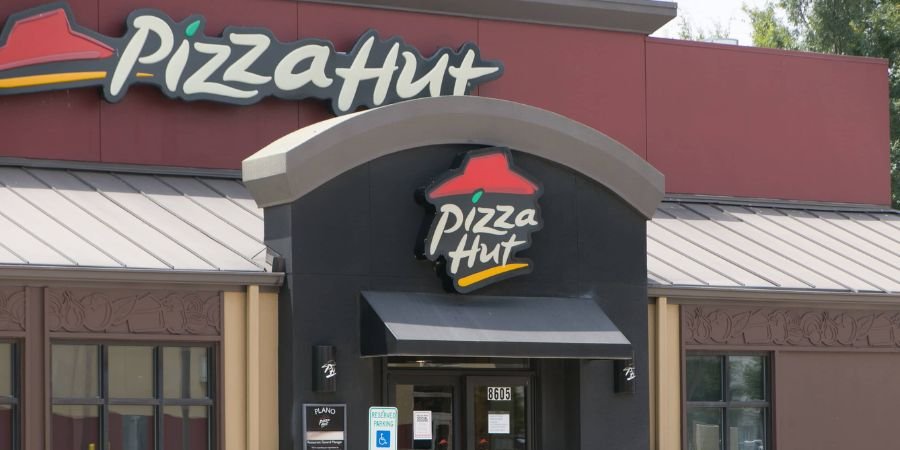
Pizza chains do not shrink overnight. When a major brand announces a wide set of closures, the signal is bigger than empty booths and silent delivery lines. Yum! Brands confirmed that roughly 250 underperforming Pizza Hut locations will close in the first half of 2026. This is about 3 percent of the chain’s U.S. footprint and a clear reaction to sustained sales pressure and strategic repositioning.
This article explains, in plain language, why this is happening, who will be affected, and what it means for franchise owners and customers.
What Was Announced and When?
On Yum! Brands’ recent earnings call executives said the company will close about 250 Pizza Hut restaurants in the United States during the first half of 2026. The company framed these moves as targeted closures of underperforming units while it conducts a broader strategic review of the brand that could include a sale or other structural changes. The closures are part of a suite of actions intended to stop revenue erosion and refocus resources.
Key fact: the closures are scheduled for H1 2026 and target lower-performing locations. Investors and industry analysts heard a clear message: this is an active attempt to right-size the business rather than an immediate retreat from the market.
Why Now? The Underlying Reasons
There are three tight, overlapping reasons behind the closures.
- Declining same-store sales. Pizza Hut has experienced falling in-store performance compared with the prior year. Yum! executives cited sales declines and weaker consumer demand for certain Pizza Hut formats. That deterioration makes some locations unsustainable.
- Competition and format fatigue. Domino’s has been particularly strong at delivery, and other players like Papa John’s and local independents have taken share in many markets. The market is saturated in certain metro and suburban areas, leaving weaker Pizza Hut units exposed.
- Strategic repositioning by the parent company. Yum! Brands is actively reviewing Pizza Hut’s future. That review, combined with operational adjustments and the need to free up capital for investment in newer concepts, pushed leadership to close underperforming stores now rather than later.
Each of these drivers is important on its own. Taken together, they explain why Yum! chose to act quickly: trimming underperformers improves brand-wide margins and makes the chain more attractive if a sale or partner deal is pursued.
Who Will be Hit Hardest
The closures will not be evenly distributed. Expect the following patterns:
- Suburban strip-mall locations with low delivery density and high operating costs are most vulnerable.
- Older full-service dine-in restaurants that failed to modernize their ordering and delivery systems may be prioritized for closure.
- Franchisees operating multiple underperforming units will face the hardest commercial choices. Where landlords, rent escalations, or franchise debt exist, owners may choose to surrender leases or negotiate exits.
The company has not released a list of the exact restaurants that will close, and local markets will receive notice on different schedules. That lack of a public list increases short-term uncertainty for employees and suppliers in affected communities.
What this Means for Franchisees and Employees
Franchise business models vary by contract and by region. For many franchise owners the options will be painful but familiar: attempt a turnaround with operational investments, convert the location to a different concept if allowed by the franchisor, or close and absorb the loss. Employees at affected restaurants will face layoffs or transfers; many corporate leaders promise to offer support, but the timeline and package details typically depend on the individual franchisee and local labor laws.
From a cash flow perspective, closing a weak location can improve an owner’s overall portfolio performance if it reduces losses and frees capital to invest where returns are stronger. That is exactly the calculus Yum! wants franchisees to consider as the company pursues broader changes.
The Broader Strategic Angle: Review and Possible Sale
Yum! Brands launched a formal strategic review of Pizza Hut’s future late in 2025. Closing underperforming units is often a precursor to major change: it shows potential buyers or partners that the brand is being tightened up, and it reduces the liability of carrying a large number of weak assets. Executives have signaled that the review could conclude later in 2026 and that a variety of outcomes remain on the table.
This is not unique in the restaurant industry. Large franchisors periodically prune locations while refreshing the brand. What matters now is whether the adjustments, menu innovation, improved digital ordering, pricing strategy, and marketing, are swift and convincing enough to reverse the sales slide.
How this Compares to Competitors
Domino’s has leaned heavily into technology, contactless delivery, and a simplified store model that scales well across urban and suburban areas. Pizza Hut’s mix of dine-in, carryout, and delivery formats requires a more complex operating playbook. Domino’s current momentum has put pressure on Pizza Hut’s market share, particularly in delivery-focused segments.
In short, competitors that optimized their store footprint for delivery are winning where Pizza Hut’s older formats are losing. That marketplace reality is a core reason for the decision to close targeted units.
Local Communities and Consumer Impact
When a Pizza Hut closes, the impact is immediate and local. Employees lose jobs or must migrate to other stores. Regular customers lose a convenient option. Suppliers and local contractors lose business. But closures also open opportunities: new independent pizzerias and smaller chains may expand into the vacated sites, and consumers may discover alternatives that better match current tastes and delivery expectations.
For customers who already use mobile ordering and third-party delivery, the disruption may be small. For those who favor the dine-in experience or consistent local specials, closures will feel like a meaningful loss.
What to Watch Next
- List of affected restaurants. Yum! will provide closure details to franchisees and local managers first. Watching local news and official Pizza Hut communications will reveal exact locations and closure timelines.
- Strategic review outcome. If the review points toward a sale, potential buyers will want evidence of a cleaned-up portfolio and stabilized same-store sales. A successful sale would likely include a plan to modernize operations and invest in digital ordering.
- Menu and format changes. Expect Pizza Hut to test sharper value deals, simplify menus, and lean further into delivery-friendly formats. Those bets will determine whether the brand returns to growth or continues to contract.
Practical Steps for Sffected customers and Employees
- If you work at a location you suspect is at risk, ask management for written notice and severance details. Document hours and payroll records.
- Customers who have gift cards or catering orders should check local store status and contact corporate customer service if problems arise.
- Local entrepreneurs may view openings as an opportunity. Vacant restaurant locations can be a lower-cost entry point if negotiated correctly with landlords.
Final Thoughts
Major brand shakeups are always noisy. Closing about 250 U.S. Pizza Hut locations in the first half of 2026 is a meaningful action that reflects deeper sales challenges and a broader corporate review. The immediate effects will be local and practical, lost jobs, shifted customers, and empty strip-mall spaces. The longer-term effect depends on whether Yum! Brands and its franchisees can translate the pruning into a leaner, more modern Pizza Hut that appeals to delivery-first customers while preserving what loyal diners value.