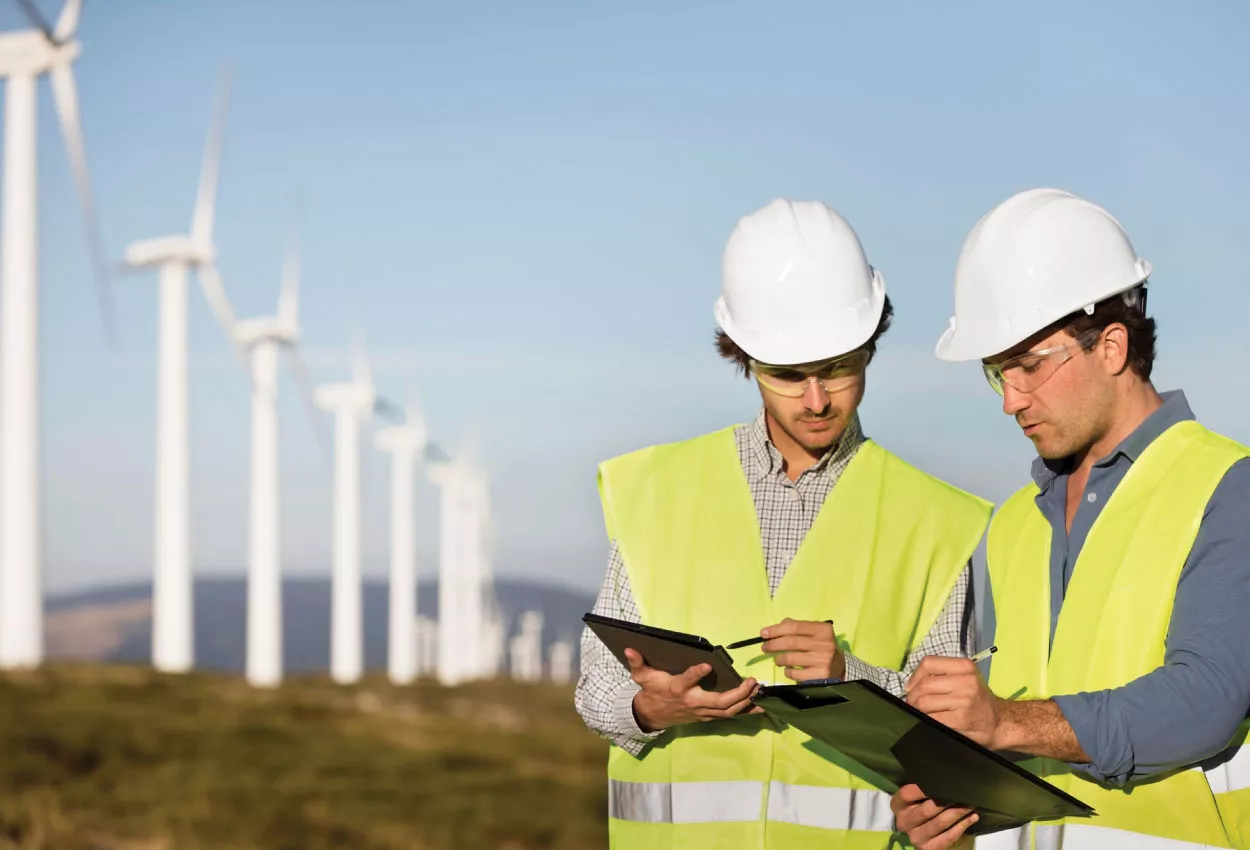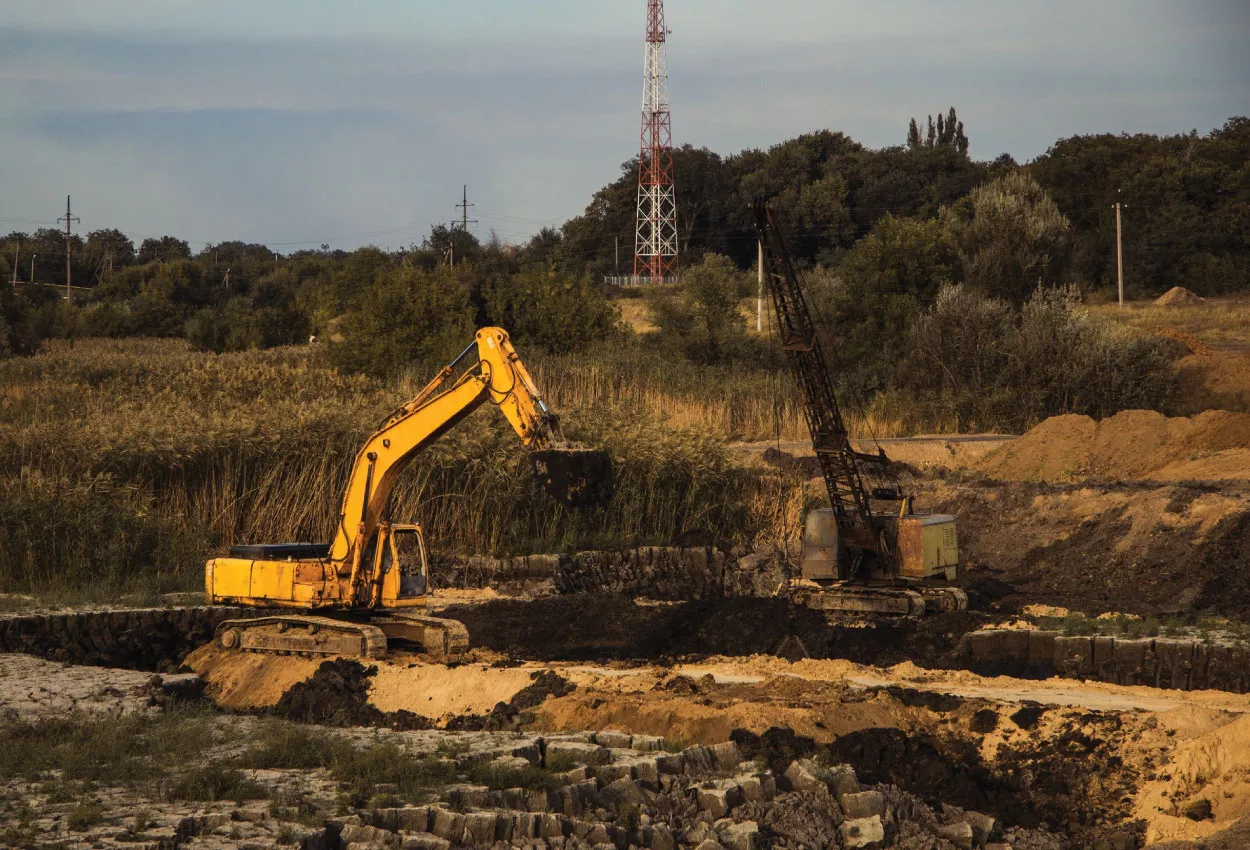
The future of mining is being reshaped by two defining forces: the rapidly growing demand for critical minerals and the equally urgent demand for responsible industrial practices. As the world accelerates toward renewable energy, electric mobility, and low-carbon infrastructure, mining has become central to this transformation. Minerals such as lithium, copper, cobalt, nickel, and rare earth elements now power everything from batteries and electric vehicles to wind turbines and solar grids.
However, this progress comes with a fundamental question: can the world build a greener future through processes that are not themselves sustainable?
This is precisely why ESG must guide the future of mining.
Environmental, Social, and Governance principles are no longer optional benchmarks or symbolic corporate commitments. They have become a strategic framework that determines how mining companies operate, engage with communities, manage environmental impact, and create long-term value. Sustainable extraction is not simply about what is taken from the earth, but about how responsibly it is done.
The Growing Importance of Sustainable Extraction
The global energy transition depends heavily on minerals. Every battery, every power storage unit, and every renewable energy system requires raw materials sourced from the earth.
As demand rises, mining operations are expanding into increasingly sensitive geographies, including biodiversity-rich zones, water-stressed regions, and areas inhabited by local or indigenous communities.
This creates a delicate balance between economic development and ecological responsibility.
Traditional mining models often prioritized output and cost efficiency. Today, that approach is no longer enough. Sustainable extraction requires companies to think beyond immediate profitability and consider the long-term consequences of their operations.
This is where ESG provides direction.
Environmental Responsibility at the Core
The environmental component of ESG is perhaps the most visible and immediate aspect of sustainable mining.
Mining activities can have significant environmental consequences, including:
- land degradation
- water contamination
- air pollution
- greenhouse gas emissions
- habitat destruction
- waste accumulation
To address these challenges, modern mining companies must integrate environmental stewardship into every phase of the operation.
This includes responsible land-use planning, reduced carbon emissions, renewable energy integration, efficient water recycling systems, and scientifically structured mine closure strategies.
Sustainable extraction also means planning for what happens after mining ends. Land rehabilitation, afforestation, soil restoration, and ecosystem recovery must become standard practice rather than afterthoughts.
Companies that fail to prioritize environmental responsibility risk long-term damage not only to the planet but also to their reputation and license to operate.
The Social Dimension of Mining
Mining does not happen in isolation. Every operation exists within a human and social ecosystem.
This makes the social pillar of ESG equally critical.
Communities living near mining sites are often directly affected by industrial activity. Their livelihoods, health, land access, and cultural identity may all be impacted.
Responsible mining, therefore, requires meaningful community engagement.
This includes:
- transparent consultation processes
- fair compensation frameworks
- local employment opportunities
- healthcare and education support
- worker safety standards
- respect for human rights
A socially responsible mining company recognizes that long-term success depends on trust.
When local communities are treated as stakeholders rather than obstacles, mining operations become more sustainable and socially legitimate.
This approach also helps reduce conflicts, protests, and operational disruptions.
Why Investors and Markets Are Paying Attention
ESG is no longer just a compliance requirement. It has become a major factor in investment decisions and market credibility.
Investors increasingly evaluate mining companies not only on financial performance but also on sustainability metrics.
Organizations with strong ESG frameworks are often seen as lower-risk investments because they are better prepared to handle regulatory shifts, community relations, environmental liabilities, and reputational challenges.
Sustainable extraction has therefore become directly linked to access to capital, strategic partnerships, and long-term market positioning.
In a world where stakeholders expect transparency and accountability, ESG performance can significantly influence business growth.
Technology and the Future of Responsible Mining
Technology is playing a major role in enabling sustainable extraction.
Advanced monitoring systems, AI-driven risk assessment tools, and digital environmental tracking solutions are helping companies improve ESG performance.
Real-time monitoring of emissions, water quality, land use, and safety conditions allows mining companies to identify issues early and respond proactively.
Technology also enhances supply chain transparency, allowing companies to trace minerals from extraction to end use.
This is becoming increasingly important as industries such as automotive, electronics, and renewable energy demand ethically sourced materials.
The Future of Mining Must Be Responsible
The future of mining cannot be defined solely by output or market demand.
It must be defined by responsibility.
As the world continues its transition toward cleaner energy systems, the credibility of that transition depends on the integrity of the supply chain behind it.
Sustainable extraction is not a trend. It is the future of responsible industrial growth.
ESG must guide that future by ensuring that progress does not come at the expense of ecosystems, communities, or future generations.
The mining industry now stands at a defining moment. The companies that lead tomorrow will be those that understand a simple truth: true progress is measured not only by what is built, but by what is protected along the way.