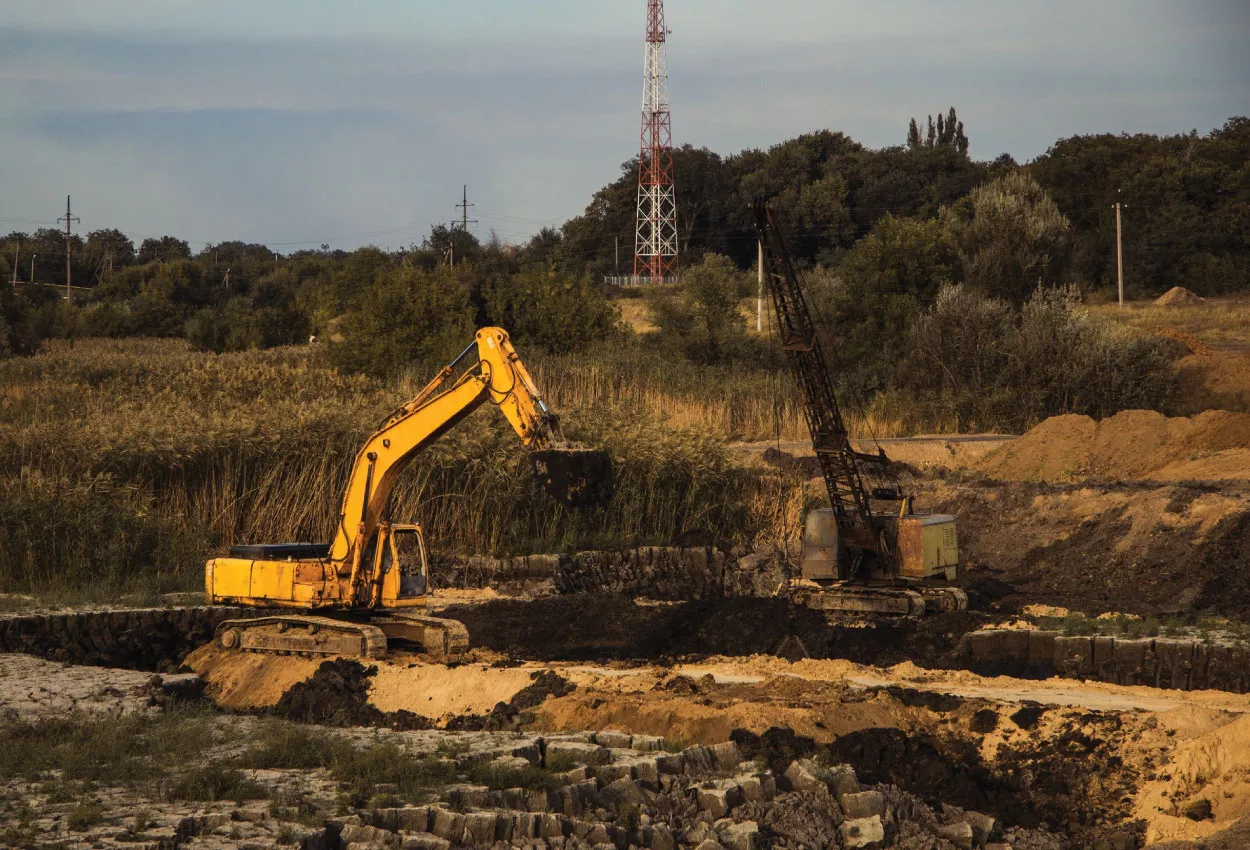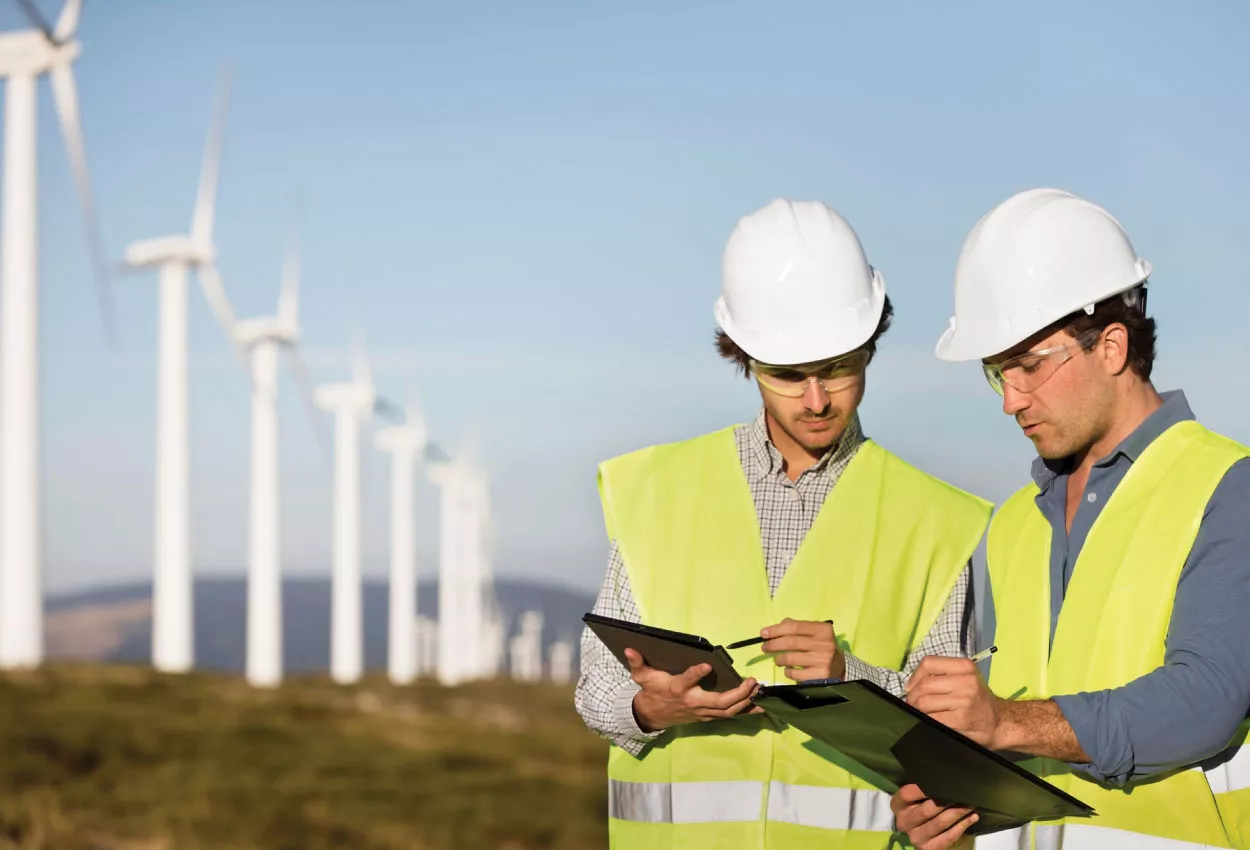
The global push toward clean energy has placed mining at the center of the sustainability conversation. From lithium and cobalt used in electric vehicle batteries to copper and nickel powering solar and wind infrastructure, critical minerals have become the backbone of the energy transition. Yet this transformation presents a complex challenge: how can the world accelerate mineral production without compromising environmental integrity, social equity, and corporate accountability?
The answer lies in responsible mining through robust ESG frameworks.
Environmental, Social, and Governance (ESG) frameworks are no longer optional reporting tools for the mining industry. They have become strategic systems that shape how companies operate, manage risk, engage communities, and secure long-term value. As demand for transition minerals surges, responsible mining is emerging as the defining principle of a truly sustainable energy future.
Why Responsible Mining Matters in the Energy Transition
The transition to renewable energy depends heavily on the extraction of critical minerals. According to global sustainability and energy reports, minerals such as copper, lithium, cobalt, manganese, and rare earth elements are essential for electric vehicles, battery storage, power grids, and wind turbines.
However, the expansion of mining activity also raises serious concerns around:
- land degradation
- water pollution
- biodiversity loss
- carbon emissions
- labor rights
- community displacement
This creates a paradox: the technologies meant to support climate goals can themselves generate environmental and social risks if extraction is not governed responsibly.
That is why responsible mining must form the foundation of the energy transition.
The Role of ESG Frameworks in Mining
ESG frameworks provide a structured approach to measuring and improving mining performance across three critical dimensions.
Environmental Stewardship
The environmental pillar focuses on reducing the ecological footprint of mining operations.
This includes:
- emissions reduction
- renewable energy use in mines
- water management
- waste and tailings control
- biodiversity restoration
- land rehabilitation
Many mining companies are now integrating solar, wind, and battery-backed microgrids into operations to reduce diesel dependency and lower carbon emissions. Research suggests that renewable integration can significantly reduce operational costs and emissions in remote mining locations.
Social Responsibility
The social dimension is equally critical.
Mining projects often operate near local and Indigenous communities, making stakeholder engagement essential.
Strong ESG frameworks require:
- community consultation
- worker safety
- fair wages
- local employment generation
- human rights protections
- health and education support
Increasingly, investors and regulators are emphasizing Free, Prior, and Informed Consent (FPIC), especially in regions where mining affects Indigenous populations.
Governance and Accountability
Governance ensures that mining companies operate transparently and ethically.
This includes:
- board oversight
- anti-corruption measures
- transparent reporting
- risk governance
- regulatory compliance
- independent audits
Frameworks such as IRMA, ICMM principles, and the Consolidated Mining Standard Initiative are helping standardize ESG reporting across the industry.
Building Effective ESG Frameworks for Mining
For responsible mining to move beyond rhetoric, ESG must be integrated into core business strategy.
- ESG by Design
Mining projects should embed ESG from the exploration stage itself.
Environmental impact assessments, stakeholder mapping, and governance protocols must begin before extraction starts.
- Data Driven Monitoring
Technology is transforming ESG implementation.
Satellite monitoring, AI-based risk systems, and geospatial analytics are now being used to track land-use change, water quality, and deforestation near mining sites.
This improves accountability and enables faster corrective action.
- Supply Chain Traceability
The energy transition requires transparency across the entire mineral value chain.
Battery manufacturers, automakers, and renewable infrastructure companies increasingly demand traceable, responsibly sourced minerals.
This is pushing mining companies to strengthen disclosure and certification systems.
- Community Inclusive Models
Mining cannot be sustainable without local legitimacy.
Shared-value frameworks that include employment, local infrastructure, and revenue-sharing mechanisms help reduce conflict and build long-term trust.
Challenges Ahead
Despite progress, several challenges remain.
Many mining companies still face fragmented ESG standards, inconsistent reporting metrics, and greenwashing concerns.
There is also a growing need for global alignment across ESG frameworks to reduce duplication and improve comparability. Recent industry efforts to consolidate standards are a step in the right direction.
Additionally, financing institutions must ensure that capital for transition minerals supports only high-standard, responsible mining operations. The UN has specifically called for sustainable finance systems that reward mining companies with validated ESG transition plans.
The Future of Responsible Mining
The energy transition cannot succeed without minerals, but it also cannot succeed without responsibility.
Responsible mining is no longer just about extraction efficiency. It is about balancing climate ambition with ecological protection, community well-being, and ethical governance.
As the world moves toward a low-carbon future, ESG frameworks will define which mining companies lead the next era of sustainable industrial transformation.
The future of energy depends not only on what we extract, but how responsibly we do it.