A first word, a steady gaze, a small hand learning to button a shirt, a child discovering how to belong in a classroom. These moments appear simple, yet they are built upon intricate neurological, emotional, and social foundations. When one layer is disrupted, progress can feel uncertain, and families often find themselves searching for answers across scattered services. True developmental care demands more than isolated interventions. It calls for structure, coordination, science, compassion, and above all, belief in potential that has not yet fully revealed itself.
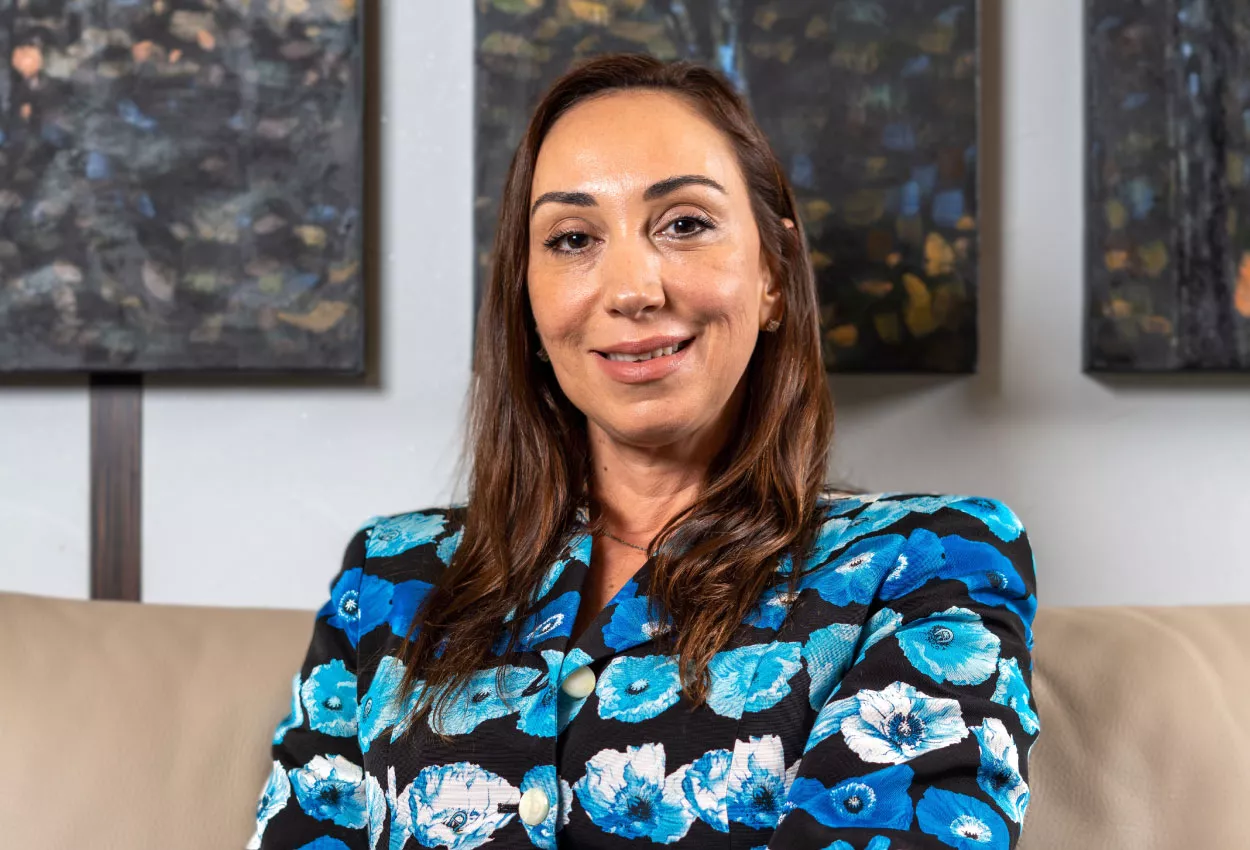
It is within this belief that Ms. Faiza Abdulaziz established the Independent Learning Center. Guided by clarity of purpose and disciplined governance, she transformed a recognized gap in special needs services into an integrated developmental ecosystem. Under her leadership, ILC unites speech therapy, behavioral intervention, occupational development, educational readiness, and digital accessibility within a single, measurable framework.
A Mission Born from Observed Gaps
Ms. Faiza’s journey has been guided by a steadfast belief that every child deserves the opportunity to reach their full potential. Professionally, she witnessed a recurring challenge: families navigating fragmented therapy services with minimal coordination between providers. Children often received isolated interventions rather than comprehensive developmental support. Establishing ILC was her response to that gap, creating a unified center where evidence-based therapies, family partnership, and long-term independence goals converge within one cohesive model.
Why Integration Matters in Development
For Ms. Faiza, children’s development cannot be compartmentalized. Communication, behavior, motor coordination, emotional regulation, and social skills are inherently interconnected. When therapies operate in silos, progress may lack consistency or functional impact.
ILC’s integrated model enables its multidisciplinary team to collaborate closely, align objectives, and reinforce learning across therapeutic domains. This approach accelerates generalization of skills, ensuring that progress extends beyond the therapy room and into daily life.
Mapping the Journey to Lifelong Fulfillment
Ms. Faiza’s vision centers on empowering children to lead independent and fulfilling lives. At ILC, that long-term aspiration is translated into structured, measurable short-term objective, commonly defined as SMART goals over three-month intervals.
Therapists focus on functional outcomes such as communication for needs, self-care routines, emotional regulation, and social participation. Each session is purpose-driven and connected to a broader developmental roadmap. Regular parent training sessions and monthly progress meetings ensure therapy plans are continually refined based on the child’s responses and family feedback.
Strength as the Starting Point
Rather than concentrating solely on developmental deficits, Ms. Faiza promotes a strengths-based philosophy across ILC. Specialists identify each child’s motivations and natural abilities, using these as entry points for skill development.
This approach not only accelerates learning but also safeguards emotional well-being. When children experience consistent success, confidence grows, and with it, sustained engagement in therapy.
Giving Every Child a Voice
Speech and language therapy forms a central pillar of ILC’s services. Ms. Faiza notes that common challenges include expressive language delays, articulation issues, social communication difficulties, and pragmatic language deficits.
She strongly advocates for early intervention, emphasizing that timely support profoundly influences cognitive development, behavior regulation, and social integration. Importantly, ILC prioritizes functional communication, whether verbal or non-verbal, ensuring children can effectively express needs and engage meaningfully with their environments.
Compassionate and Ethical Behavioral Support
Behavior therapy, including Applied Behavior Analysis (ABA), plays a critical role in emotional regulation and social skill development at ILC. Under Ms. Faiza’s leadership, these programs remain individualized, data-driven, and ethically grounded.
Positive reinforcement, dignity, and collaboration with families guide implementation. The team includes certified behavioral technicians accredited by the IBAO board, ensuring professional rigor while maintaining compassion and relational trust.
Measuring Progress Beyond Numbers
Occupational therapy at ILC is tailored to each child’s functional independence. Ms. Faiza emphasizes that success looks different for every child.
While baseline assessments and measurable data are essential, true progress is reflected in daily improvements: greater independence in dressing, improved tolerance to sensory environments, or smoother participation in classroom routines. Quantitative metrics are complemented by therapist observations and parental insights to provide a holistic evaluation of growth.
The Therapeutic Power of Environment
Ms. Faiza considers the physical and emotional environment a vital therapeutic tool. ILC’s branches feature thoughtfully designed spaces that balance sensory regulation with engagement.
The Jeddah branch includes a calming underwater-themed sensory area, while the Riyadh branch houses an Enchanting Sensory Forest. Beyond aesthetics, the emotional climate is equally intentional, predictable, warm, and encouraging, enabling children to feel safe enough to explore, take developmental risks, and build resilience.
Expanding Access Through Digital Innovation
Recognizing barriers such as distance and transportation, Ms. Faiza spearheaded ILC’s e-therapy platform. Digital therapy has expanded access for families in remote areas and strengthened continuity of care.
While in-person sessions remain essential for many interventions, online services enhance parent coaching and reduce service gaps. An upcoming app aims to streamline both therapy access and registration processes, reinforcing ILC’s commitment to innovation and accessibility.
Empowering Parents as Partners
At ILC, parents are viewed as active partners in the therapeutic journey. Ms. Faiza ensures families receive structured home programs, consistent progress updates, and targeted coaching sessions.
In-person and online workshops further equip parents with practical child management strategies while also supporting parental wellbeing. When families feel confident and informed, learning extends beyond clinic walls, amplifying long-term outcomes.
Leadership with Structure and Vision
Ms. Faiza founded ILC after witnessing a critical gap in the special needs landscape: fragmented services that lacked coordination, measurable outcomes, and long-term independence planning.
ILC was built to change that narrative.
Today, the center integrates speech therapy, ABA, occupational therapy, educational support, and digital services under unified supervision systems and structured developmental plans. Every child’s progress is guided by SMART objectives tied directly to functional independence.
“Our objective is not short-term improvement,” Ms. Faiza explains.
“It is sustainable independence that prepares children to function confidently in society.”
International Standards: IBCCES Certification
ILC’s designation as an IBCCES Certified Autism Center™ (CAC) reflects its commitment to global best practices in autism and developmental care. It is also the first in the world to receive certification for the Down Syndrome Center of Excellence™ (DSCE).
These certifications ensure:
- Structured staff competency validation
- Evidence-based intervention models
- Data-driven outcome tracking
- Continuous quality assurance
- Ethical compliance frameworks
For Ms. Faiza, accreditation represents accountability.
“Certification is not a marketing milestone. It is a governance responsibility,” she states.
By aligning with international standards, ILC contributes to raising the benchmark for developmental services across the Kingdom.
Strategic Alignment with Saudi Vision 2030
Saudi Vision 2030 emphasizes human capability development, healthcare transformation, and inclusive societal participation.
ILC directly contributes by:
- Expanding early intervention access
- Strengthening professional certification standards
- Promoting inclusive education readiness
- Investing in digital therapy platforms
- Supporting long-term workforce participation for individuals with developmental challenges
Early intervention reduces long-term dependency, enhances educational inclusion, and strengthens national human capital.
“Special needs development is not a secondary sector,” Ms. Faiza notes.
“It is a strategic investment in the Kingdom’s future.”
Compassionate, Ethical, and Data-Driven Care
At ILC, clinical precision is balanced with empathy.
Behavioral programs emphasize positive reinforcement and emotional regulation. Speech therapy focuses on functional communication. Occupational therapy strengthens independence and adaptive skills.
Progress is measured through structured data systems, supervisory reviews, and functional outcome assessments.
Success is defined not by diagnosis, but by growth in independence, resilience, and confidence.
Digital Transformation and Accessibility
ILC’s e-therapy model extends care beyond physical facilities, increasing accessibility for families across geographic and logistical barriers.
The digital platform supports:
- Continuity of care
- Parent coaching and empowerment
- Flexible service delivery
- Scalable growth aligned with national digital healthcare initiatives
Technology, under structured leadership, enhances inclusion rather than replacing human connection.
Honoring a Legacy of Strategic Compassion
Ms. Faiza Abdulaziz was recently honored among the Top 100 Women Leaders in the Middle East – KSA 2026, recognizing her contribution to impactful leadership and excellence in human development.
Her approach combines governance, compassion, and strategic foresight; qualities essential to building sustainable institutions in the Kingdom.
Leadership Rooted in Integrity and Education
Balancing clinical excellence with operational leadership requires structured systems and a capable multidisciplinary team. Ms. Faiza remains closely involved in clinical governance while ensuring operational frameworks support ethical and high-quality delivery.
Continuous staff training, leadership development initiatives, and data monitoring systems safeguard standards. She firmly believes that educated professionals form the foundational pillars of any institution and actively invests in empowering her team at every level.
A Vision for the Kingdom and Beyond
Looking ahead, Ms. Faiza envisions ILC playing a transformative role across the Kingdom and the Gulf region. She is committed to raising the standard of integrated, evidence-based developmental services while responsibly incorporating AI-driven innovations to enhance assessment accuracy and personalize interventions.
Her long-term aspiration is to expand access, strengthen early identification systems, and contribute to a regional shift in perspective, from focusing on limitations to unlocking potential. Through this vision, Ms. Faiza aims to empower more children to lead independent, fulfilling lives while shaping the future of inclusive special needs education in the region.
Looking forward, Ms. Faiza envisions ILC as a regional benchmark for integrated developmental excellence across Saudi Arabia and the Gulf region.
Future objectives include:
- Expanding multidisciplinary medical and therapy integration
- Establishing professional training academies
- Advancing early screening initiatives nationwide
- Strengthening public-private partnerships
- Contributing to inclusive education policy frameworks
- Introducing evidence-based practice and AI-driven solutions to rehabilitation
Her long-term goal is clear: structured expansion without compromising clinical integrity.
Read Also: Her Vision: The Women Leaders Shaping Tomorrow in 2026