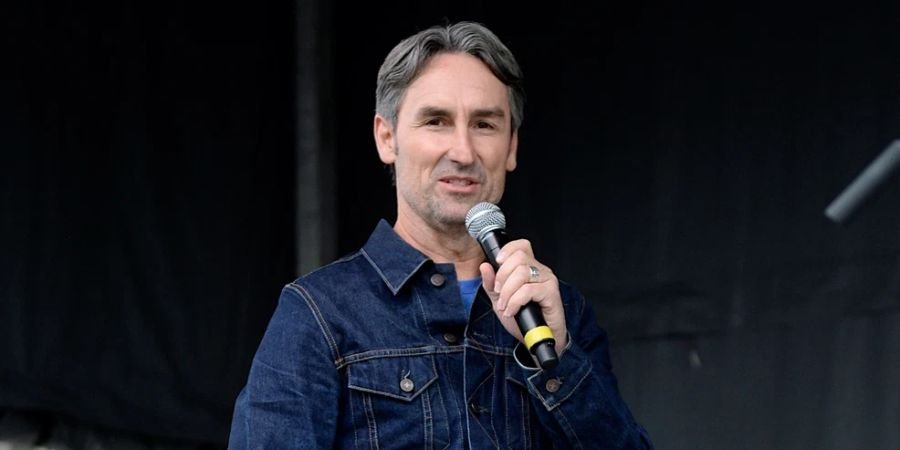
Mike Wolfe built his name on one simple obsession: saving pieces of American history before they disappear. People know him from American Pickers, where he travels across the country collecting rare antiques, vintage signs, and forgotten treasures. That work made him famous, but it also shaped something bigger.
His passion project lives outside television.
It is a real-world mission focused on restoring old spaces, protecting the stories inside them, and creating places people can visit, stay in, and experience.
This passion project has three clear pillars:
- Two Lanes Guesthouse
- Columbia Motor Alley
- A fully restored historic service station in Columbia, Tennessee
Each one proves the same idea: history deserves a second life.
Early Life and Background
Mike Wolfe grew up in the Midwest after being born in Joliet, Illinois. He lived most of his childhood in the Quad Cities area and finished school in the Bettendorf region. He grew up in a working-class household as one of three children, and early responsibility shaped how he looked at things other people threw away.
Picking began as a childhood habit. By age four or six he was salvaging bicycles, found objects, and small treasures from curbside piles and alleyways. He learned to see value in used and weathered items, then learned how to fix, restore, and sell them. An early moment many people repeat is the first time he earned money from a found bike; that sale turned a hobby into a lifetime focus.
That pattern turned into a business. He opened Antique Archaeology as a physical shop in LeClaire, Iowa, which became the central hub for his collecting, restoration, and retail work. The store became a destination for fans and buyers, and it anchored a wider brand built around vintage motorcycles, signage, and Americana. Antique Archaeology later expanded into other locations and projects tied to his preservation interests.
Television multiplied his reach. He created and co-hosted American Pickers, a series that follows long road trips across backroads and small towns to buy, preserve, and resell historical items. The show made his method and voice familiar to a large audience and turned picking into a viable national business model for sourcing, restoring, and selling antiques. The TV work increased demand for his store, enabled larger restorations, and funded community-focused projects that connect to his collecting ethos.
Personal interests guided the choices he made in business. He has built a reputation for collecting motorcycles, old signage, and Americana pieces that carry clear stories. Those interests led him into projects that combine retail with preservation and hospitality, including guesthouse concepts and transportation-focused restorations aimed at keeping historic buildings active and useful.
Family and collaborators appear often in his story. Early partnerships and friendships helped shape the series and the business. His brother and longtime colleagues have joined picking trips and operations over the years, and the collaborative approach helped scale small finds into larger restoration projects.
Quick timeline you can hold onto
- Childhood in Joliet and the Quad Cities area; early picking by age four to six.
- Opening Antique Archaeology in LeClaire, Iowa, which became a public hub for his finds.
- Launching and hosting American Pickers, bringing picking culture to a national audience.
- Expanding into preservation-focused projects that convert historic buildings into usable community spaces and guest stays.
Who Mike Wolfe is Beyond American Pickers
Mike Wolfe built a public image on collecting and storytelling, yet his work extends well beyond television. He is a preservationist, entrepreneur, designer, and community builder who turns forgotten places into usable, story-rich spaces.
Let us break it down.
Early instincts and how they shaped him
Wolfe began finding and fixing discarded items as a child. Those early habits taught him how to see value where others looked past it. That vision shaped his approach to objects, buildings, and communities. He treats artifacts as pieces of lived history, and he treats buildings as chapters of a town’s life.
Retail and brand foundation: Antique Archaeology
Wolfe created Antique Archaeology as a public hub for his finds. The shop became a place where collectors and casual visitors encounter restored objects, motorcycles, and vintage signage arranged with an eye for story. The store served as a platform for larger ventures and helped turn a personal obsession into a sustainable business.
Preservation through projects
He channels collecting energy into preservation projects. He buys historic buildings, restores original features, and configures interiors so people can use the spaces. Those restorations include a guesthouse concept and a reclaimed service station that functions as a gathering place. Each project combines practical updates with careful attention to material history.
Two Lanes and guest stays
Two Lanes represents a lifestyle idea made tangible. Guesthouses tied to that brand offer curated stays filled with vintage finds and road-culture references. The goal is to create an immersive place where visitors can connect with American design history while living comfortably.
Motor Alley and transportation heritage
Wolfe places motorcycles and automotive culture at the center of several restorations. Motor Alley preserves dealership and service-station architecture and highlights how transportation shaped small-town life. The work celebrates craftsmanship and the social rituals that formed around repair shops and main streets.
Design language and curatorial approach
His aesthetic values authenticity. Rooms and exteriors keep original patina, original signage, and visible repairs that tell a timeline. Objects appear as evidence of history rather than museum pieces. That approach creates warmth and a sense of continuity between past and present.
Community impact and economic logic
These projects drive foot traffic to quiet downtowns, create short-stay tourism, and generate business for local shops and cafes. Restored buildings become reasons for people to visit, stay, and spend time. That ripple effect helps sustain small-town economies while preserving cultural memory.
Personal interests and public persona
Wolfe remains an active picker and rider. Motorcycles, signage, and Americana remain central to his life. He uses his platform to showcase how everyday objects connect to larger stories, and he invests time and resources into physical projects that give those stories a place.
What “Mike Wolfe Passion Project” Really Means
Mike Wolfe passion project is rooted in historic restoration. He buys old buildings with cultural value, rebuilds them with respect, and turns them into spaces people can use.
These projects focus on:
- Keeping original architecture alive
- Preserving the spirit of old America
- Creating experiences instead of attractions
- Supporting small-town revival through tourism and community spaces
This is why his passion project stands out. It is practical, physical, and visible. People can walk inside it. People can stay there. People can sit outside by a fire pit and feel that old-road America still exists.
Two Lanes Guesthouse: A Historic Stay Built Around Americana
Two Lanes Guesthouse is one of the most recognizable pieces of Wolfe’s passion project. It is a guesthouse concept that reflects the heart of his style: vintage Americana, road culture, and timeless design.
The Two Lanes Guesthouse in Columbia
One of the standout Two Lanes spaces is a one-bedroom loft-style guesthouse in historic downtown Columbia, Tennessee.
This guesthouse sits on the second floor of a two-story brick building dating back to 1857. The loft covers around 1,100 square feet, designed as a showcase for Wolfe’s personal aesthetic.
Inside, the guesthouse includes:
- A modern kitchen
- Carefully chosen vintage decor
- Comfortable living space built for long stays
- Design elements inspired by years of travel and picking
The goal is simple: give people a place that feels like stepping into Wolfe’s world without it feeling staged or artificial.
It feels lived-in, warm, and deeply intentional.
The Two Lanes Guesthouse in LeClaire
The Two Lanes Guesthouse concept also connects to LeClaire, Iowa, a town tied to the American Pickers story and the Antique Archaeology universe.
This guesthouse reflects the same themes:
- vintage finds throughout the space
- design built around stories
- curated Americana details
- the feeling of a retreat built for slow living
Columbia Motor Alley: A Preservation Project Built Around Transportation History
Columbia Motor Alley is another major part of Mike Wolfe passion project, and it connects strongly to his love for motorcycles, old road culture, and transportation history.
Motor Alley is tied to a historic automotive space: a 1947 Chevrolet Dealership. Wolfe turned that location into a place that celebrates the era when cars, bikes, and repair shops shaped American culture.
Motor Alley represents more than a building. It represents a belief:
Old places hold the soul of a town.
When these spaces get restored, people see their own history differently. They stop walking past it like it is invisible.
The Restored Service Station in Columbia: A Signature Wolfe Project
One of Wolfe’s most iconic restorations is a historic service station in Columbia, Tennessee. This project became widely talked about because it shows how he approaches preservation.
A service station might look ordinary at first glance, yet it carries huge cultural meaning. It represents road trips, old highways, family drives, and the era when travel had a slower rhythm.
Wolfe took that station and rebuilt it into a welcoming space, complete with an outdoor setup built for gathering.
The restored station features:
- Outdoor seating
- Warm lighting that highlights the architecture
- A fire pit area that makes the space feel alive at night
It feels like the kind of stop people used to make on a long drive. A pause. A breath. A place to talk.
That is exactly why it matters.
Why Mike Wolfe Invests in Small Towns
Mike Wolfe’s restoration projects focus on small towns for a reason. These places carry history in every corner, yet they also face real challenges.
Small towns often deal with:
- aging buildings that fall apart over time
- storefronts that sit empty for years
- fewer visitors and less tourism money
- young people moving away for opportunity
Wolfe’s projects bring energy back into these spaces by giving people a reason to visit again.
A restored building creates ripple effects:
- visitors book stays
- local cafes get more customers
- small shops get foot traffic
- the town becomes part of a larger cultural map
It is preservation, plus economic life.
The Aesthetic Behind His Passion Project
Mike Wolfe follows a clear visual and material code. The work reads like a language that says value through age, story, and use. Let us break it down into the elements that give his projects their unmistakable look and emotional pull.
Core idea
The aesthetic centers on authenticity, patina, and everyday history. Objects and surfaces keep the marks of their past lives. The aim is to present history as lived experience rather than as an exhibit.
Materials and finish
Wolfe favors raw, honest materials. Exposed brick, reclaimed wood, weathered metal, and concrete appear in combinations that feel purposeful. Surfaces show wear as evidence of time. Repairs and joins remain visible so the structure reads as layered history instead of newly manufactured decor.
Color and tone
The palette draws from road-worn Americana. Deep reds, faded blues, barn-brown, and sun-bleached neutrals create warmth. Colors behave like memories; they are familiar and slightly muted so objects integrate with architectural bones rather than overpower them.
Patina and texture
A central aesthetic device is patina. Rust, chipped paint, and worn edges become focal points. Texture matters because it carries information: a dent or blister of paint tells where an object lived. Those imperfections are curated, not hidden.
Signage and typography
Vintage signage plays a starring role. Hand-painted letters, enamel signs, and old gas station markers provide visual anchors. Typography choices reference midcentury commercial lettering and 20th century trade signage, creating a direct link between object and place.
Furniture and object curation
Pieces are chosen for story first, scale second. Work tables, stools, and benches feel like tools used daily. Seating favors comfortable resilience rather than fragile elegance. Objects stay within reach so visitors can meet history through touch and proximity.
Lighting and mood
Lighting shifts the day into memory. Soft, layered fixtures highlight texture and create pockets of intimacy. Industrial pendants, filament bulbs, and ambient uplighting emphasize material detail. Evening spaces become places to gather, talk, and linger.
Spatial rhythm
Rooms carry an open, honest rhythm. Circulation respects original building plans when feasible. Large, clear pathways recall commercial or workshop uses while smaller alcoves create private moments. The balance makes a space feel generous and purposeful.
Repair and visible craft
Restoration emphasizes repair over replacement. Soldered seams, patched boards, and welded brackets serve as both structure and narrative. Visible craft signals care and continuity. That approach keeps the hand of the maker present.
Outdoor treatment
Exterior areas continue the story. Patios with simple seating, string lighting, and fire features create places for community. Landscaping remains restrained so architecture stays central. Roadside views and porches emphasize connection to surrounding streets.
Sound and scent
Sound design privileges low hums and natural textures. Footsteps on wood, distant traffic, and occasional motorcycle pitches form part of the atmosphere. Scent comes through coffee, oil, and weathered wood rather than artificial fragrances. These cues help guests feel embedded in the place.
Storytelling through placement
Objects appear as evidence of use. A wrench beside a workbench suggests a paused project. A stack of crates implies arrival and trade. Placement reads like an archive of daily life rather than curated display cases. That choice invites curiosity and memory work.
Hospitality as interpretation
Guest stays function as interpretation. Rooms provide comfort alongside objects that explain context. A guesthouse becomes an active classroom where lived history takes the place of passive instruction. Practical amenities sit beside artifacts so the experience remains functional and meaningful.
Ethical restoration
Restoration follows a respect-first principle. Historic elements receive priority. Modern interventions remain reversible when possible. The aim is longevity and future options rather than a single, irreversible statement.
It is the opposite of sterile design. It embraces imperfections because that is where the story lives. That is also why the guesthouses feel special. They carry a feeling of memory without feeling outdated.
Why this Passion Project Feels Personal
Many people renovate buildings to show off wealth or chase trends.
Mike Wolfe restores places because he connects emotionally to what they represent.
His work keeps focusing on:
- preserving history through physical spaces
- honoring the craftsmanship of earlier generations
- protecting forgotten buildings from fading away
- turning old structures into places people actually use
Every project reflects a type of American life that shaped millions of families: the road, the town square, the service station, the dealership, the store front with worn floors and stories in the walls.
In short, the passion project is personal because it merges memory, craft, community, and responsibility. Each restored building functions as proof that a life once lived there mattered, and each project reflects a careful choice to keep those lives visible and visitable.
The Bigger Legacy He Is Building
Mike Wolfe passion project is shaping a legacy built on preservation. Years from now, these restored buildings will still stand as proof that history can be protected without freezing it in time.
His projects show that:
- old buildings deserve care
- small towns deserve attention
- Americana deserves space in the modern world
- restoration can create community and culture together
Mike Wolfe started as someone who collected the past. He grew into someone who rebuilds it.
And that is why his passion project keeps growing: it has meaning, it has purpose, and it gives people a real place to step into the story.
FAQs: Mike Wolfe Passion Project
1) What is Mike Wolfe passion project?
Mike Wolfe passion project is restoring historic small-town buildings and turning them into usable spaces like guesthouses and community-style gathering spots, while keeping the original character and history intact.
2) What is the main goal of Mike Wolfe passion project?
The main goal is historic preservation with purpose. He saves old buildings, keeps their story alive, and gives people a reason to visit and spend time in towns that often get overlooked.
3) What are the main projects under Mike Wolfe passion project?
His best-known passion projects include:
- Two Lanes Guesthouse (guest stays in restored historic spaces)
- Columbia Motor Alley (a preservation concept tied to vintage automotive culture)
- A restored service station in Columbia, Tennessee (rebuilt as a community-friendly space)
4) What is Two Lanes Guesthouse?
Two Lanes Guesthouse is Mike Wolfe’s boutique guest stay concept. It reflects his personal style: Americana, vintage finds, and road culture, designed for people who love history with comfort.
5) Where is Mike Wolfe’s Two Lanes Guesthouse located?
Two Lanes Guesthouse is connected to locations like Columbia, Tennessee and LeClaire, Iowa, both closely linked to his restoration work and American Pickers footprint.
6) What is Columbia Motor Alley?
Columbia Motor Alley is a project built around transportation heritage, especially vintage vehicles and the history of old American automotive spaces. It reflects Wolfe’s love for motorcycles, road life, and classic Americana design.
7) Why does Mike Wolfe restore gas stations and old buildings?
Because these places represent real American life. Old gas stations, brick buildings, and dealerships were once social and cultural landmarks. Restoring them keeps that identity alive instead of wiping it out.
8) Why does Mike Wolfe focus on small towns?
He focuses on small towns because:
- the most original history still exists there
- older buildings have character and stories
- restoration can bring tourism and foot traffic back
- small-town heritage is easier to preserve and protect
9) Is Mike Wolfe passion project connected to American Pickers?
Yes. American Pickers gave him the platform and network, but the passion project is real-world preservation, where he restores places and builds experiences people can visit.
10) Is Mike Wolfe passion project a business or a personal mission?
It is both. The spaces are designed to be functional and sustainable, yet the deeper purpose is personal: protecting history, preserving Americana, and rebuilding forgotten spaces with care.
11) What makes Mike Wolfe’s restoration style different?
His restorations focus on:
- patina and authenticity
- vintage pieces with real history
- keeping original building character
- warm Americana design instead of modern luxury
12) Can people visit or stay in Mike Wolfe’s restored properties?
Yes. Some of the restored spaces include guest stays like Two Lanes Guesthouse, and other locations can be visited depending on public access and town setup.