Electric vehicles are often presented as a clean alternative to conventional transport, largely because they produce no exhaust emissions while driving. This visible absence of tailpipe pollution has become the dominant symbol of EV sustainability. Yet environmental impact does not begin when a vehicle is switched on, nor does it end when it is parked. To understand the true sustainability of electric mobility, emissions must be measured across the entire lifecycle of a vehicle, from raw material extraction to manufacturing, operation, and eventual disposal. Only by looking beyond the tailpipe can policymakers, manufacturers, and consumers make informed decisions about the environmental value of EVs.
The Hidden Footprint of Manufacturing
The production phase of an electric vehicle carries a heavier environmental burden than that of a conventional car. Battery manufacturing is particularly energy-intensive, involving mining, processing, and refining of materials such as lithium, cobalt, nickel, and manganese. These processes often occur in regions with carbon-intensive energy systems and limited environmental safeguards.
As a result, EVs typically begin their life with a higher carbon footprint than internal combustion vehicles. This does not negate their environmental potential, but it shifts attention toward the sources of energy used in manufacturing. As production increasingly relies on renewable energy and cleaner supply chains, the initial emissions gap can be significantly reduced.
Raw Materials and Resource Extraction
The sustainability debate surrounding EVs cannot ignore the environmental and social implications of raw material extraction. Mining operations can lead to land degradation, water stress, and biodiversity loss if not properly managed. In some regions, concerns around labor practices and community displacement further complicate the picture.
These challenges highlight the importance of responsible sourcing and material innovation. Automakers and battery manufacturers are investing in traceability, recycling, and alternative chemistries that reduce reliance on scarce or problematic materials. Lifecycle sustainability depends not only on reducing emissions, but also on minimizing ecological and social harm at the source.
Electricity Determines Operational Impact
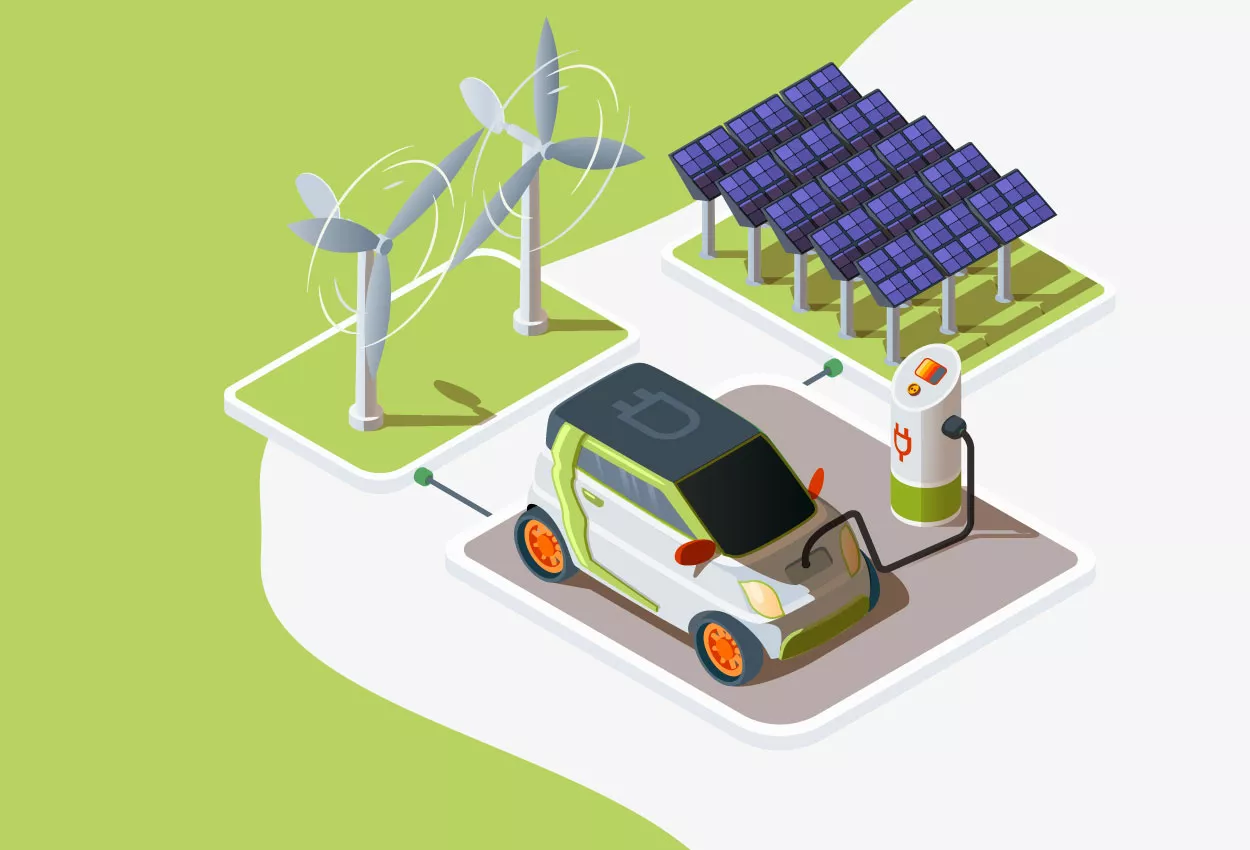
Once on the road, an EV’s emissions profile depends largely on how electricity is generated. In regions where power grids are dominated by coal or oil, the indirect emissions from charging can be significant. Conversely, in grids with high shares of renewable or nuclear energy, EVs deliver substantial emissions reductions over their operational lifetime.
This variation underscores why regional context matters. An EV charged on a clean grid can offset its higher manufacturing emissions relatively quickly. In contrast, in fossil-heavy grids, the environmental benefits take longer to materialize. Grid decarbonization and vehicle electrification must therefore progress together to achieve meaningful climate gains.
Efficiency and Long-Term Performance
Electric drivetrains are inherently more efficient than internal combustion engines. They convert a higher proportion of energy into motion and experience less energy loss through heat. Over time, this efficiency advantage contributes to lower cumulative emissions, particularly for high-mileage vehicles such as taxis, delivery fleets, and public transport.
Battery degradation and vehicle lifespan also influence lifecycle sustainability. Advances in battery management systems, thermal control, and software optimization are extending usable life and improving performance consistency. Longer-lasting vehicles distribute manufacturing emissions across more kilometers, improving overall environmental efficiency.
End of Life and the Recycling Question
What happens to EVs and their batteries at the end of their useful life is a critical component of sustainability. Without effective recycling systems, spent batteries risk becoming an environmental liability. Fortunately, battery recycling technologies are advancing rapidly, enabling the recovery of valuable materials and reducing the need for new mining.
Second life applications offer additional benefits. Used EV batteries can be repurposed for stationary energy storage, supporting grid stability and renewable integration. These extended use cases improve lifecycle outcomes and strengthen the circular economy around electric mobility.
Comparing EVs to Conventional Vehicles
When evaluated across the full lifecycle, most studies conclude that EVs produce lower total emissions than comparable internal combustion vehicles, particularly as electricity grids become cleaner. However, the magnitude of this advantage varies by region, vehicle size, and usage patterns.
Large electric SUVs charged on coal-based grids may offer limited environmental benefit compared to smaller, efficient conventional cars. This nuance challenges simplistic narratives and reinforces the need for targeted policy and consumer education. Sustainability is not a binary label, but a spectrum shaped by choices and context.
Policy and Measurement Matter
Accurate lifecycle assessment depends on transparent data and standardized measurement frameworks. Policymakers play a crucial role in setting reporting standards, incentivizing clean manufacturing, and supporting recycling infrastructure. Without consistent metrics, sustainability claims risk becoming marketing tools rather than meaningful indicators.
Lifecycle based regulation can encourage better outcomes by rewarding low carbon production, renewable powered charging, and circular design. This approach aligns environmental goals with industrial competitiveness, ensuring that sustainability is embedded across the value chain rather than isolated at the point of use.
Conclusion
Measuring EV sustainability beyond the tailpipe reveals a more complex but more honest picture of electric mobility’s environmental impact. Electric vehicles are not inherently clean by default. Their sustainability depends on how they are made, how they are powered, how long they last, and what happens when they reach the end of their life. By adopting a full lifecycle perspective, stakeholders can move past oversimplification and focus on the structural changes needed to maximize environmental benefit. In doing so, electric mobility becomes not just a symbol of progress, but a practical contributor to long term sustainability.