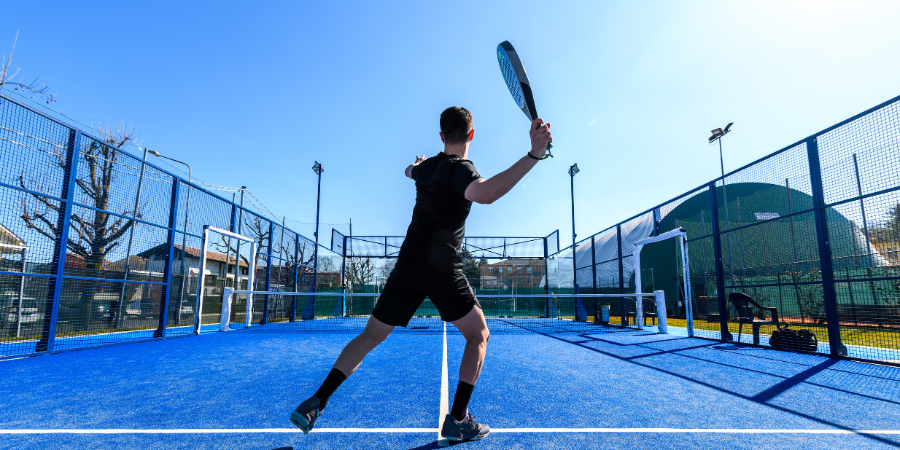
Padel is the fastest-growing sport in Europe, and the Netherlands is leading that charge. Over 90,000 players are officially registered. More than 700 courts are open across the country. And on weekday evenings in Amsterdam, Rotterdam, and Utrecht, those courts fill up faster than most traditional tennis clubs ever did.
This is a structural shift in Dutch sports culture, and NLPadel sits right at the center of it.
Quick answers for you:
- The Netherlands has 90,000+ registered padel players and 700+ courts nationwide.
- Padel arrived around 2011 and got official recognition from KNLTB in 2017.
- The Dutch urban lifestyle, dense cities, group socializing, indoor sports culture, fits padel almost perfectly.
- NLPadel describes the entire Dutch padel ecosystem: clubs, tours, community, and competitive play.
- Court rentals run roughly €20-€40 per hour depending on location and city.
What is NLPadel?
NLPadel is not a brand or a single club. It is shorthand for the entire padel ecosystem inside the Netherlands, the courts, clubs, federations, tournaments, and community that have grown around the sport since it arrived here.
The sport itself combines elements of tennis and squash. You play doubles on an enclosed glass court measuring 20 by 10 meters. The walls are part of the game. Serves are underarm. The scoring follows tennis, but the learning curve is far gentler. Most beginners feel comfortable within their first session, which is one of the biggest reasons padel grew so fast.
The “NL” in NLPadel simply signals Dutch identity. It marks the local version of a global sport boom and helps players, clubs, and the Dutch padel community find each other online and in real life.
How Padel Arrived in the Netherlands
The first padel courts in the Netherlands appeared around 2011. A small group of Dutch players had experienced the sport abroad, mainly in Spain, where padel has been mainstream for decades, and brought it back home. Early growth was slow. A few tennis clubs experimented with converting unused courts. Awareness was minimal.
The real turning point came in 2017. That year, the Nederlandse Padelbond (NPB) received official recognition, and KNLTB, the Royal Dutch Lawn Tennis Association, formally folded the padel into its structure. That institutional backing unlocked funding, national championships, and organized club infrastructure.
From there, growth was rapid:
| Year | Key Milestone |
| 2011 | First padel courts open in the Netherlands |
| 2017 | NPB recognized; KNLTB officially backs padel |
| 2020–2022 | Post-COVID boom; urban court expansion accelerates |
| 2024–2025 | 700+ courts nationwide; 90,000+ registered players |
By the Numbers: The NLPadel Boom
Numbers tell this story better than anything else.
- 90,000+ officially registered padel players in the Netherlands (KNLTB)
- 500,000+ Dutch people estimated to have tried padel at least once
- 700+ padel courts currently operating across the country
- €20-€40 average court rental cost per hour (Verse Magazine)
- The Netherlands ranks among the top padel markets in Europe by growth rate
The rise of padel in the Netherlands mirrors a broader European pattern. According to the International Padel Federation, there are now over 25 million padel players globally, with Europe driving the largest share of new courts and registrations. But the Dutch numbers stand out because of how fast they arrived relative to the total population.
Why the Netherlands? 5 Reasons Padel Thrives Here
This is the part most articles skip. Padel is growing everywhere in Europe, but it fits Dutch urban life in specific ways that explain why padel growth in Europe is being partly led from here.
- Dense cities with short commutes: Amsterdam, Rotterdam, and Utrecht are compact. After work, people can reach a padel court in 15 minutes by bike. That accessibility matters enormously for a sport that is typically played in 90-minute sessions.
- Group-first social culture: The Dutch concept of gezelligheid, a kind of warmth that comes from being together, maps directly onto padel’s doubles format. You always play with three other people. There is no option to turn up alone and practice against a wall. The social structure is built in.
- Indoor courts work in Dutch weather: The Netherlands gets about 170 rainy days per year. Padel clubs Netherlands-wide have invested heavily in covered and indoor facilities precisely because year-round play requires it. This weather-proof model keeps player numbers consistent through winter, something outdoor tennis never fully solved.
- Low entry barrier: Tennis in the Netherlands can feel formal, skill-heavy, and time-consuming to learn. Padel removes most of that friction. Office workers, students, and people who have never played a racket sport before are picking it up within a session or two.
- Padel as the new “third place:” After COVID-19, many Dutch young professionals stopped socializing primarily in bars and restaurants. They wanted something active. Padel courts became community hubs, especially for hybrid workers with flexible evenings. In several Dutch cities, padel has replaced drinks as the default after-work activity.
NLPadel Infrastructure: Courts, Clubs, and Cities
Padel clubs Netherlands-wide are now concentrated in every major urban center.
Top padel cities in the Netherlands:
| City | Notes |
| Padel Amsterdam | Highest density of courts; strong indoor scene |
| Padel Rotterdam | Fast-growing; popular with young professionals |
| Padel Utrecht | University city with strong club culture |
| Eindhoven | Tech sector driving corporate team play |
| The Hague | Growing government/diplomatic community adoption |
Most clubs began as tennis facilities that converted one or two underused courts. Today, many have gone fully padel-dedicated. A standard court is 20m × 10m with glass walls and artificial turf, cheaper to build and maintain than a full tennis court, which helped private investment move quickly.
Competing in NLPadel: Tournaments and Rankings
Is padel popular in the Netherlands at the competitive level? Absolutely, and the structure is now serious.
The Dutch Padel Tour and the Dutch National Padel Championships are the country’s top competitive events, organized under KNLTB padel infrastructure. Rankings are updated regularly, and entry points exist for beginners through to elite players.
Dutch players like Bram Meijer and Marcella Koek have represented the Netherlands at European and World Championships, raising the profile of Dutch padel on the international stage. (Ignore Limits)
For newcomers, most clubs run weekly round-robin nights. You do not need a partner, a high ranking, or years of experience. You show up, get matched, and play. That beginner-friendly entry model is a big part of why padel sport beginners Netherlands-wide are growing so fast.
NLPadel vs. Tennis: Is Padel Replacing the Racket King?
Padel vs tennis Netherlands is one of the most searched angles, and honestly, it is a fair question.
| Factor | Padel | Tennis |
| Court size | 20m × 10m | 23.8m × 10.97m |
| Format | Always doubles | Singles or doubles |
| Learning curve | 1–2 sessions | Months to feel competent |
| Average session cost | €20-€40/court | Similar |
| Social element | Built-in (4 players) | Optional |
| Weather dependency | Low (indoor options) | Higher |
KNLTB is carefully managing both sports, it sees padel as complementary, not competitive. Padel brings in younger players and lapsed athletes who were never going to return to tennis. It expands the total pie rather than simply eating tennis’s share.
Could NLPadel rival traditional Dutch sports like football and cycling in national participation? Not yet. But it is already ahead of squash and growing faster than any racket sport in recent Dutch history. (Verse Magazine)
The Social Side of NLPadel
Walk into any padel club Netherlands on a Thursday evening and you will see the social DNA of the sport clearly. Mixed doubles nights, padel-and-dinner events, corporate tournaments, charity matches for local causes, the programming around the game has become as important as the game itself.
Companies now book padel sessions as team-building activities. Parents bring children to junior leagues on weekends. The Dutch padel community has developed a culture around the sport that goes well beyond fitness.
This cultural depth is one reason the NLPadel ecosystem feels more durable than a typical sports trend. People are not just playing padel. They are building friendships and routines around it.
Challenges Facing NLPadel’s Growth
Honest coverage requires acknowledging the friction points, and they are real.
- Court supply lags behind demand: In major cities, booking a court on a Friday evening can require three to four days’ advance notice. Supply has not kept pace with the growth curve.
- Coach shortage: Certified padel coaches in the Netherlands remain scarce relative to demand, slowing skill development for competitive players.
- Sweden’s warning: Sweden had explosive padel growth followed by a period of oversupply and club closures. The Netherlands should watch that trajectory carefully.
- Smaller club funding gaps: Urban clubs with private investment are thriving. Rural and community-run clubs face harder economics.
- Competition for attention: Football and cycling remain deeply embedded in Dutch sports identity. Padel is growing, but mindshare at the national level takes time.
The Future of Padel in the Netherlands
What is the fastest-growing paddle sport in the world? Most industry analysts point to padel, and the Netherlands is positioned to remain one of its strongest European hubs.
Short-term, expect more urban indoor padel centers, expanded junior programs, and Dutch players advancing further in European tour rankings. Longer term, padel courts are already appearing in new residential developments as lifestyle amenities, a sign that real estate developers see sustained demand.
Could the Netherlands become Europe’s number one padel nation? It depends largely on whether infrastructure investment keeps pace with player growth. The demand is clearly there. The Dutch padel community has shown it can organize, compete, and grow sustainably. The next 5 years will tell the full story.
Frequently Asked Questions
What is NLPadel? NLPadel refers to the Dutch padel ecosystem, the network of clubs, courts, tournaments, players, and federations that make up padel culture in the Netherlands. It is not a single brand or organization.
Is padel the fastest-growing sport in Europe? By most metrics, yes. The International Padel Federation reports over 25 million players globally, with European growth leading the expansion. Countries like Spain, Sweden, the UK, and the Netherlands are all seeing rapid court and player growth.
How many padel courts are in the Netherlands? As of 2024-2025, there are 700+ padel courts across the Netherlands, with the highest concentration in Amsterdam, Rotterdam, and Utrecht.
Is padel the same as paddle tennis? No. They are different sports. Padel uses glass walls as part of gameplay and is always played doubles on an enclosed court. Paddle tennis is a different, older format played on an open court.
Do I need tennis experience to play padel in the Netherlands? No experience is needed. Most beginners feel comfortable within their first session. Many clubs offer beginner nights specifically designed for new players.
Where can I play padel in Amsterdam or Rotterdam? Both cities have multiple clubs with indoor and outdoor courts. Most allow online booking. A session typically costs €20-€40 per court, split between four players.
Final Word
On weekday evenings across Dutch cities, courts are filling. Friends are booking sessions instead of dinner reservations. Companies are running their team days around a padel tournament. What started with a few converted tennis courts in 2011 has become one of the most interesting sports stories in Europe.
NLPadel is not a trend that has arrived and will disappear. It fits Dutch life too well for that. The infrastructure is real. The community is genuine. And the numbers keep moving in one direction.
Find a local club. Book a court. You will probably be hooked by the second game.