A consultation room is designed to reveal illness, but it cannot always reveal the life surrounding it. Its walls do not show the stairs a patient struggles to climb, the family conversations that shape emotional wellbeing, the financial realities influencing medical choices, or the environment to which the patient returns after an appointment. Some of the most important clues to health exist beyond examination tables and clinical records, hidden within the ordinary spaces where people live, communicate, adapt, and grow older. To understand those clues, medicine sometimes has to leave the familiarity of the clinic and meet life where it is happening.
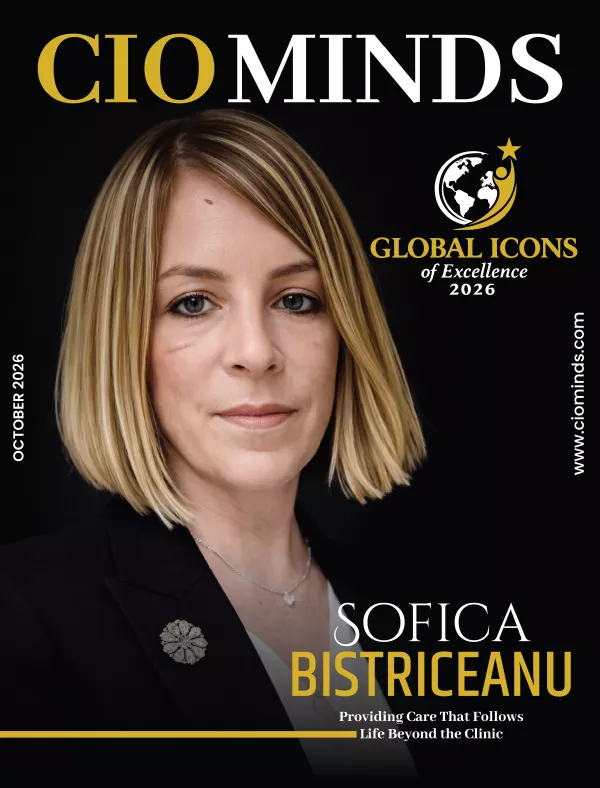
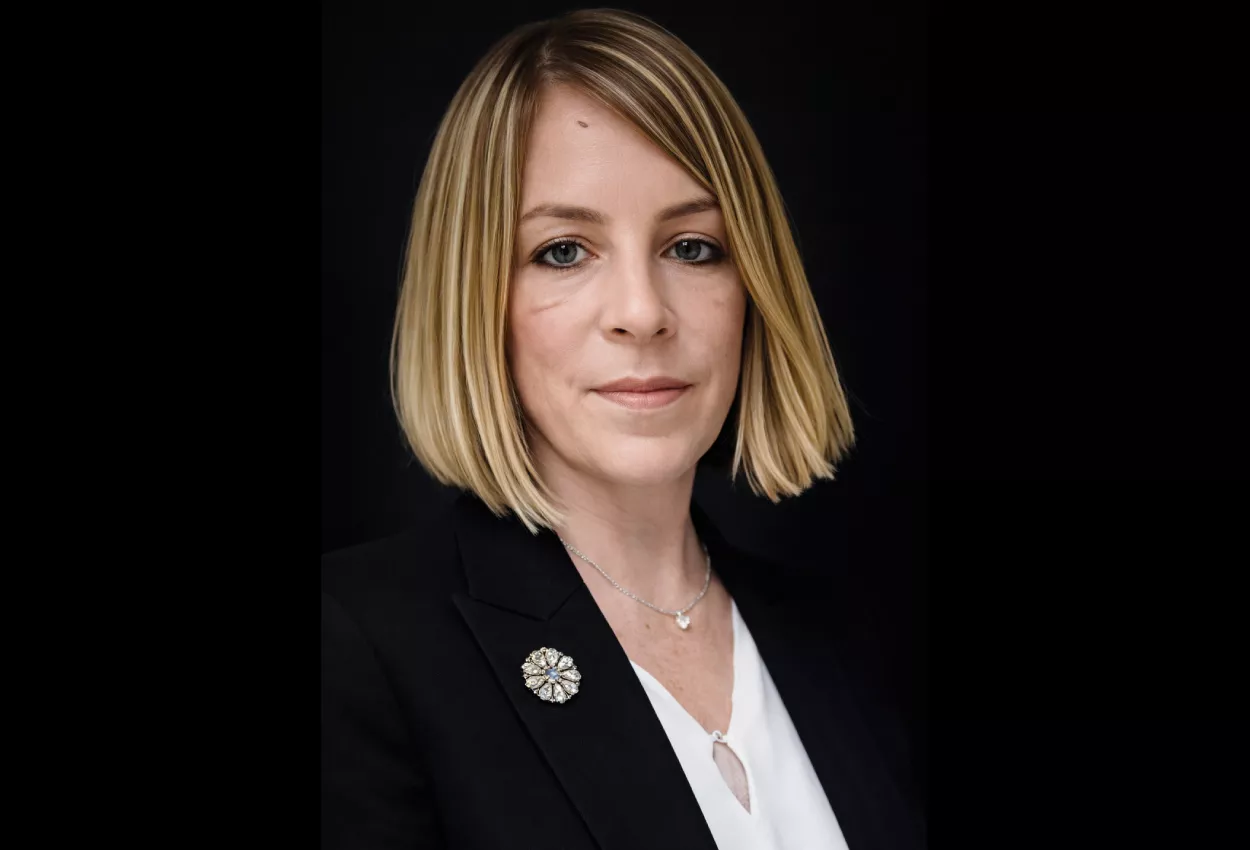
For Sofica Bistriceanu, Family Physician, that belief became a distinct approach to care. After establishing a practice serving more than 1,000 patients following the introduction of family medicine in Romania, she chose an independent path that brought medical services into the homes of people with advanced heart conditions, mobility challenges, and acute illnesses.
A Life Seen Beyond a Single Diagnosis
Sofica chose family medicine because it offers something few areas of healthcare can provide: the opportunity to understand a person across the different chapters of life. Rather than treating a single illness or responding to one episode of care, a family physician may accompany an individual from birth through adulthood, periods of illness, recovery, and later life.
This continuity allows Sofica to observe how health changes over time and compare a patient’s experiences across different ages and circumstances. It also provides a deeper understanding of the patterns, environments, and personal factors that may influence the development of illness.
Over the years, her experience has reinforced the belief that medical knowledge cannot be applied identically to every individual. Scientific evidence provides an essential foundation, but effective care requires that it be interpreted alongside the patient’s medical history, geographical environment, cultural background, personal circumstances, and financial realities.
For Sofica, better clinical outcomes begin with understanding the conditions that contributed to a disorder. By looking beyond symptoms and identifying possible underlying causes, she seeks to create management plans that reflect the individual rather than relying solely on standardized approaches.
A Model of Care Built Around the Patient
When family medicine was introduced in Romania in 1999, Sofica established a practice serving more than 1,000 enrolled patients through the national healthcare system. By the end of 2008, however, she had chosen an independent path and introduced a model that moved medical care beyond the traditional office setting — into patients’ homes.
The decision was particularly valuable for individuals with advanced heart disease, people experiencing mobility challenges, and children with acute illnesses. Home visits also gave Sofica access to information that could rarely be observed during an office consultation.
Within a patient’s everyday environment, she could better understand family communication, community relationships, living conditions, financial circumstances, access to technology, and other factors that could influence health. These insights made it easier to examine possible causes of illness and develop care plans suited to the realities of each patient’s life.
The model also reduced travel expenses and waiting times while allowing patients to receive medical attention in familiar surroundings. Through a fee for service approach, Sofica maintains flexibility and applies generosity when circumstances require it.
Her work also extends into weekends, when she helps ensure continuity of care through medical centres operated by the national healthcare system. This gives patients the choice between receiving paid medical services at home and accessing care without charge through public medical facilities.
Personal Care Across Different Systems
Introducing a new model of healthcare requires patience, adaptability, and financial stability. Sofica recognized that innovative approaches often take time to earn public confidence, particularly when people prefer to observe results before embracing unfamiliar forms of care.
To sustain her independent practice while developing the home-based model, she expanded her work through collaborations with private clinics and national healthcare institutions in other geographical areas.
These experiences allowed her to work across different care settings while preserving her commitment to individualized treatment. During home visits, Sofica gained a more complete understanding of the circumstances influencing each patient’s health. Through close collaboration with patients, she could identify possible underlying causes and develop management plans aligned with their individual needs.
For Sofica, personalized attention and long-term continuity are strengthened when medical knowledge is combined with careful observation, open communication, and an understanding of the person beyond the diagnosis.
When Clinical Evidence Meets Individual Reality
Sofica’s background in family medicine shapes an approach grounded in observation, comparison, and continuous learning.
She studies how patients respond across different circumstances and at various stages of a condition’s development. By comparing outcomes with and without personalized management plans, she gains practical insights into which approaches may offer the greatest value for a particular individual.
This process connects medical research with the realities of everyday clinical practice. Rather than treating scientific evidence as a fixed formula, Sofica uses it as a foundation that must be interpreted through the patient’s history, environment, needs, and response to care.
For her, each clinical experience can deepen understanding of health and improve the quality and effectiveness of future care.
From Clinical Insight to Collective Progress
Sofica’s research training at the Netherlands School of Primary Care Research strengthened her belief that medical knowledge advances through the exchange of clinical observations and new insights.
She considers healthcare professionals responsible not only for applying existing knowledge but also for contributing what they learn from practice. New clinical data and observations can offer valuable perspectives to the broader medical community, encouraging reflection and supporting the ongoing development of patient care.
When emerging insights are carefully examined and accepted, they can influence clinical practice and improve outcomes.
For Sofica, knowledge achieves its greatest value when it moves beyond individual experience and becomes part of a wider effort to advance medicine.
The Conversations That Shape Health
Prevention, in Sofica’s view, extends beyond medical screenings, routine examinations, and the management of physical risk factors. She considers communication an important influence on personal, professional, social, and emotional wellbeing.
People depend on relationships and continually exchange knowledge, support, services, and resources. The quality of these interactions can influence how individuals experience everyday life and respond to challenges.
Sofica believes honesty, kindness, respect, fairness, and generosity can contribute to healthier and more constructive relationships. By contrast, repeated conflict, disrespect, and harmful communication may create stress that impairs the individual’s functioning in vulnerable areas.
For this reason, she encourages greater awareness of communication skills as part of a broader approach to wellbeing. Digital tools can also help individuals establish boundaries when interactions become harmful, creating space for reflection and healthier future communication.
Environmental safety is another important element of prevention. By considering both social relationships and physical surroundings, Sofica approaches health as something influenced by the conditions in which people live, communicate, and connect.
Protecting the Heart Before the Crisis
Through her involvement with the European Primary Care Cardiovascular Society, Sofica has observed the continued development of cardiovascular prevention and treatment within primary care.
Advances in the assessment of cardiovascular risk factors have strengthened the ability of medical professionals to identify vulnerabilities and estimate the likelihood of future cardiac events. Expanding clinical knowledge has also improved the management of cardiovascular conditions across different levels of severity.
Developments in surgical treatment, continuous heart monitoring, medical technology, and the evaluation of medication effectiveness have provided healthcare professionals with more detailed information for clinical decision-making.
By engaging with expertise and research from the cardiovascular community, Sofica continues to expand her knowledge and, when appropriate, apply relevant developments to patient care.
The Character Behind the White Coat
Sofica’s involvement with the Academy for Professionalism in Health Care has deepened her understanding of the values and responsibilities associated with the medical profession.
She believes the social significance of medicine must remain central to professional conduct. A physician’s title carries a responsibility to demonstrate expertise, honesty, respect, kindness, fairness, and generosity whenever possible.
Professionalism is also reflected in openness to improvement, timely communication, attention to detail, effective workflows, thoughtful decision-making, and a professional presence.
Above all, Sofica values humility. Medicine is continually evolving, and no one can have all the answers. The willingness to learn, acknowledge limitations, and remain receptive to new knowledge is therefore essential to responsible medical practice.
At Sofica, leadership is not expressed through authority alone. It is demonstrated through character, competence, fairness, and respect for the people a physician serves.
Care That Grows with the Patient
Relationships that usually span long periods of time and vary with the stages of life define family medicine. According to Sofica, true patient trust is earned through effective clinical outcomes, supported by effective communication, compassion, and generous actions when necessary.
It is important for patients to understand that they are heard and that their treatment plan is tailored to their personal situation. Listening and continuity help Sofica learn more about people’s experiences and situations that affect their health.
Trust, in her opinion, cannot be gained in just one visit but requires consistent work, effective communication, reliability, and efforts to achieve good outcomes.
Extending Care Beyond the Consultation
Digital innovation is expanding the ways healthcare can be accessed and delivered. Sofica sees considerable potential in telemedicine, online health information platforms, virtual assistants, electronic prescriptions, digital follow-ups, and remote communication with specialists.
She believes that combining office consultations and home visits with electronic visits and ongoing digital communication can create a more flexible hybrid care model. These tools can improve access to medical guidance, support continuity of care, and allow patients and healthcare professionals to remain connected beyond traditional appointments.
Digital systems may also help reduce professional burnout and address the declining medical workforce by enabling healthcare services to operate more efficiently.
However, technology does not replace the relationship between physician and patient. For Sofica, its greatest value lies in extending access and strengthening communication while preserving the personal understanding, compassion, and trust central to family medicine.
The Human Foundation of Better Care
Sustaining a private medical practice requires more than clinical knowledge. It depends on the people involved, the values they share, and the environment they create together.
Sofica believes effective healthcare requires collaboration with professionals who are knowledgeable, kind, honest, respectful, and loyal. Technical competence is essential, but character influences how teams communicate, solve problems, and support patients.
Leadership also requires close attention to the details of daily work and the ability to make fair decisions. Sofica values mutual respect and believes every contributor should feel recognized for their role.
Humility remains equally important. Arrogance can erode trust and discourage meaningful collaboration, whereas openness fosters stronger professional relationships.
For Sofica, a safe and friendly workplace does more than support employee wellbeing. It creates the conditions for healthcare professionals to perform at their best and sustain excellence in patient care.
Preventing Illness Before Treating Its Cost
In the future, Sofica believes that disease prevention should be prioritized to reduce costs and address the ongoing decline in the medical workforce.
Healthcare professionals should work to help people understand how all risk factors interact and influence the occurrence of illnesses. However, people will still make decisions about how to respond to such information and whether to implement measures that contribute to their health.
Hybrid care is becoming an inevitable part of the future of healthcare. The combination of in-person consultations, at-home care services, telehealth, online follow-up services, online prescription services, and remote collaboration enables the provision of quality services within the framework of resource constraints.
A legacy she would like to leave in the medical field is more than a concept of healthcare delivery. It is about resilience, introspection, self-improvement, and the idea that one should not be stuck in certain situations, especially others’ major past mistakes. Human cruelty should never be tolerated.
Failure could become a great opportunity to learn and rebuild oneself with renewed strength. Her message teaches people to be cautious in what they say, learn from hardships, and gain the wisdom to start over.