Electric vehicles are no longer confined to policy debates or pilot projects. They have entered the everyday economic conversation of developing economies, where mobility is closely tied to growth, employment, and access. Yet the transition to electric transport in these markets follows a very different path from that of wealthier nations. Infrastructure gaps, cost sensitivity, energy constraints, and informal transport systems shape how electrification unfolds. The EV story in developing economies is therefore not one of simple adoption, but of adaptation. It is a narrative defined as much by constraint as by possibility, where the success of electric mobility depends on local realities rather than imported models.
The Cost Barrier That Shapes Every Decision
Affordability remains the most immediate challenge for EV adoption in developing economies. The upfront cost of electric vehicles continues to exceed that of internal combustion alternatives, even when long-term operating savings are considered. For consumers and small businesses operating with limited access to credit, the upfront price often outweighs the total cost of ownership.
Battery costs account for a significant share of this price gap. While global battery prices have declined, currency volatility, import duties, and logistics costs dilute these gains in many developing markets. Without local battery manufacturing or assembly, EV pricing remains vulnerable to external shocks. As a result, adoption tends to concentrate among fleet operators, government agencies, or higher-income urban consumers, leaving mass adoption out of reach.
Infrastructure as the Invisible Constraint
Charging infrastructure is not merely a convenience issue in developing economies. It is a structural constraint. Many regions struggle with inconsistent power supply, limited grid capacity, and uneven urban planning. Installing fast charging networks requires not only capital but also grid upgrades, regulatory coordination, and land availability.
In rural and semi urban areas, where mobility needs are often greatest, charging access remains scarce. This creates a paradox where EVs are promoted as solutions for sustainability, yet remain inaccessible to communities that would benefit most from lower operating costs. Without targeted infrastructure planning, electrification risks deepening existing mobility inequalities.
Energy Systems Under Pressure
Electric mobility shifts emissions from tailpipes to power plants, making grid composition critical. In many developing economies, electricity generation still relies heavily on coal or diesel. This raises valid questions about whether EV adoption delivers meaningful environmental benefits in the short term.
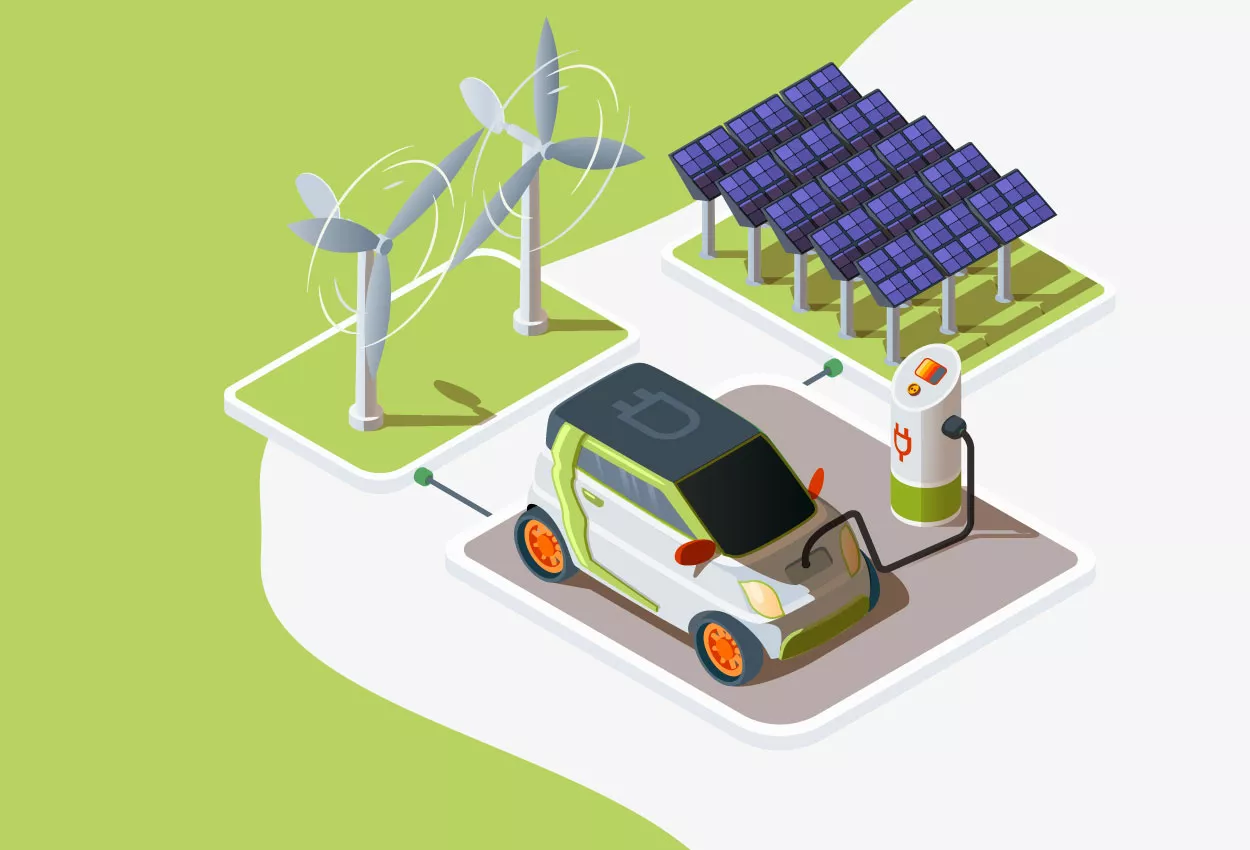
However, this challenge also reveals an opportunity. EV growth can act as a catalyst for grid modernization, renewable energy integration, and decentralized power solutions. Solar-powered charging stations, battery swapping models, and microgrids are already emerging as pragmatic responses to grid limitations. These innovations reflect how developing economies often leapfrog traditional infrastructure pathways rather than replicating them.
Informal Transport and Two Wheelers Lead the Way
Unlike developed markets, where passenger cars dominate EV narratives, developing economies tell a different story. Two-wheelers, three-wheelers, and shared mobility vehicles form the backbone of urban transport. Electrification in these segments is advancing faster due to lower battery requirements, shorter travel distances, and faster return on investment.
Electric scooters, rickshaws, and delivery vehicles are becoming commercially viable, particularly for drivers facing rising fuel costs. Battery swapping models reduce downtime and upfront expense, aligning well with informal transport ecosystems. These segments demonstrate that EV adoption does not require uniform solutions. It requires alignment with how people actually move.
The Opportunity for Industrial Transformation
Electric mobility presents a rare opportunity for developing economies to reshape their industrial base. Traditional automotive supply chains are capital-intensive and technologically entrenched. EVs, by contrast, lower barriers in certain segments, enabling new entrants and local innovation.
Local assembly of vehicles, batteries, power electronics, and charging equipment can stimulate manufacturing growth. Software-driven systems such as fleet management, energy optimization, and payment platforms open avenues for domestic technology firms. When aligned with industrial policy, EV adoption becomes not just a transport shift but an economic development strategy.
Financing Innovation Becomes Essential
Traditional vehicle financing models struggle to accommodate EV economics. High upfront costs paired with lower operating expenses require new financing approaches. Leasing, pay-per-use models, battery as a service, and fleet-based financing are gaining traction.
Development finance institutions and impact investors play a growing role in de-risking early-stage projects. Their involvement signals confidence and attracts private capital. Financial innovation, as much as technological innovation, will determine how quickly EVs scale in cost-sensitive markets.
A Transition Shaped by Local Intelligence
The future of EVs in developing economies will not mirror that of developed nations. It will be shaped by local income structures, transport habits, energy realities, and institutional capacity. Attempts to replicate Western adoption models often fail because they overlook these differences.
Success lies in pragmatic adaptation. Smaller vehicles, shared mobility, modular infrastructure, and incremental electrification align better with local needs. Developing economies possess a unique advantage in their ability to innovate under constraint. Electric mobility, approached thoughtfully, can enhance energy security, reduce operating costs, and stimulate domestic industry.
Conclusion
EV adoption in developing economies is neither a guaranteed revolution nor an unrealistic dream. It is a complex transition marked by trade-offs, experimentation, and uneven progress. The challenges of cost, infrastructure, and energy are real, but so are the opportunities for leapfrogging, industrial growth, and inclusive mobility. When electric mobility is grounded in local realities rather than abstract targets, it becomes more than a technological shift. It becomes a tool for economic resilience and long-term transformation.